

3 Things to Keep In Mind Before You Buy Cabinet Hardware
Cabinet hardware isn’t something people actively think about when they plan a remodel for their kitchen. But you definitely should. Your cabinet hardware not only determines the functionality of your kitchen but also affects how your space looks. If you don’t know how to get started on choosing the right cabinet hardware for your kitchen, here are a few things you should consider.
Consider Your Interior Design Style
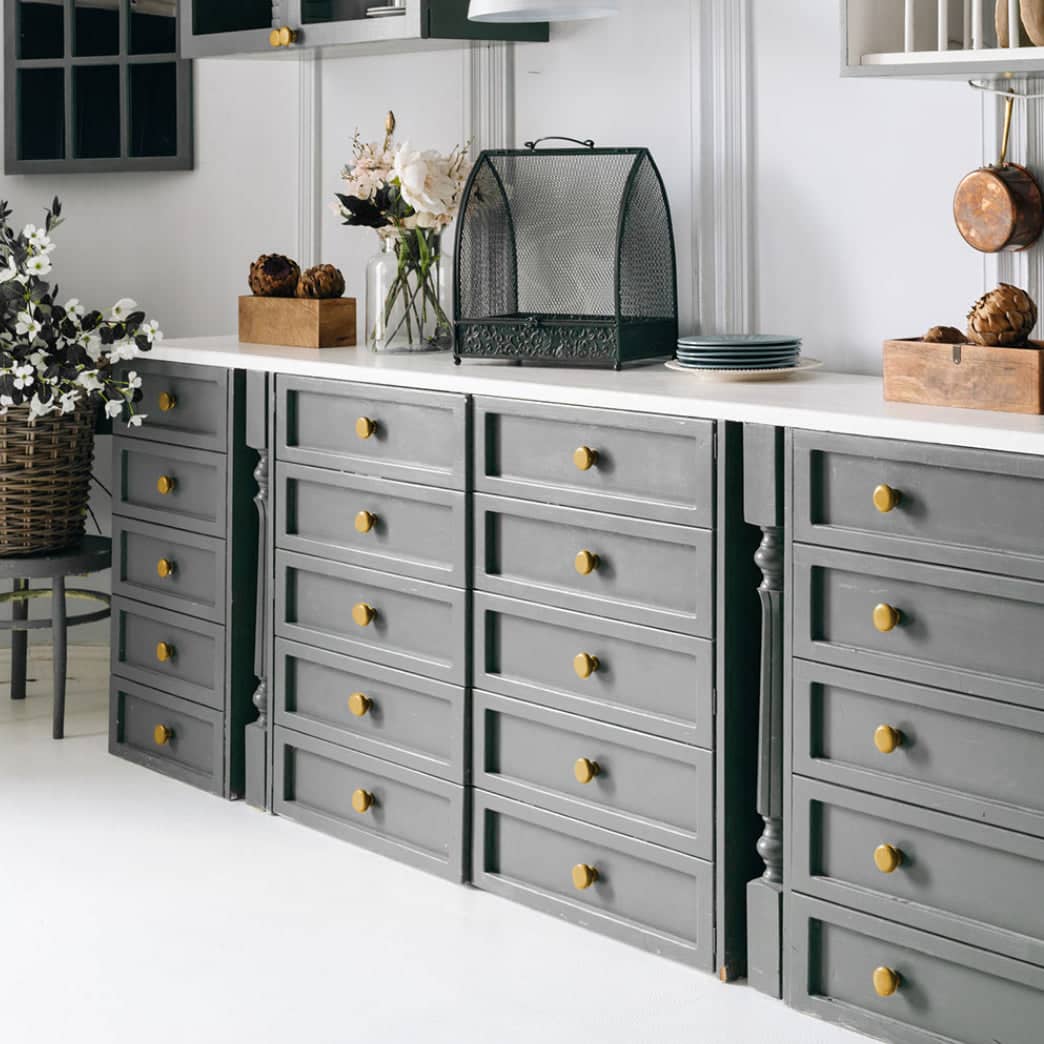
Before picking out the cabinet hardware, consider your interior design style. If your kitchen has a contemporary, minimalist design, choose bar handles for your cabinets. On the other hand, if you have a farmhouse-style kitchen, you can add chunky knobs to your cabinets. Drop pulls and ornate handles work well with kitchens that lean toward a transitional or vintage style.
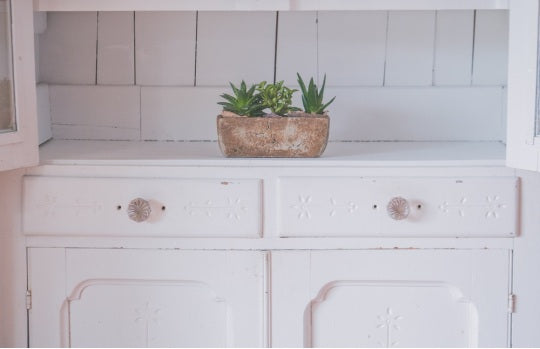
Finally, you should consider what finishes you want. You can choose from black matte, polished, stainless steel, and antique finishes. For those aiming for a timeless, heritage look, Antique Cupboard Handles provide a sense of history and craftsmanship that complements shaker-style doors and solid wood cabinetry. Conversely, if you are working with a monochromatic or industrial palette, Black Handles offer a bold, high-contrast aesthetic that anchors the room’s design.
Think About Ergonomics
It’s not just about how your cabinet hardware looks. You should also ensure that they’re ergonomic because you’ll be using your cabinets regularly as well. You don’t want sharp edges in your cabinets that make it difficult for you to open or close cabinets. In addition to that, you need sturdy hardware that won’t break easily due to excess wear and tear.
Ergonomics also involves the "clearance" of the handle—the distance between the cabinet door and the back of the handle. For individuals with larger hands or limited dexterity, a handle with a deeper projection (typically 30mm to 40mm) is easier to grip than a shallow profile. Testing the "feel" of a handle is crucial; a handle should feel substantial and smooth to the touch, without any "pitting" or rough casting marks that can occur in lower-quality hardware.
Don’t Forget the Size!
You don’t want handles, knobs, and pulls that are different in sizes. As such, choosing the same length of the handles and size of the knobs is important to introduce an element of consistency in your kitchen space. If you have taller cabinets, you can even choose two small handles instead of one long pull. Additionally, with wider cabinets that contain heavy pots, you can opt for a pull instead of a knob for more ease.
When measuring for replacement hardware, the most critical dimension is the "CC" or "Centre-to-Centre" measurement. This is the distance between the centres of the two screw holes. Standard UK sizes often include 96mm, 128mm, 160mm, and 192mm. If you are installing Black Bar Handles on new cabinets, you have more flexibility, but for renovations, matching the existing drill holes is essential to avoid unnecessary filling and painting.
Understanding Material and Durability
The material of your hardware dictates its lifespan and maintenance requirements. In the UK, the most common materials for high-quality kitchen hardware include:
- Solid Brass: Highly durable and naturally corrosion-resistant. Often used for premium finishes.
- Zinc Alloy: A versatile material that allows for intricate designs and is cost-effective while remaining strong.
- Stainless Steel: Ideal for high-moisture environments. It is resistant to rust and easy to sanitise.
- Aluminium: Lightweight and modern, often used for sleek, long bar handles.
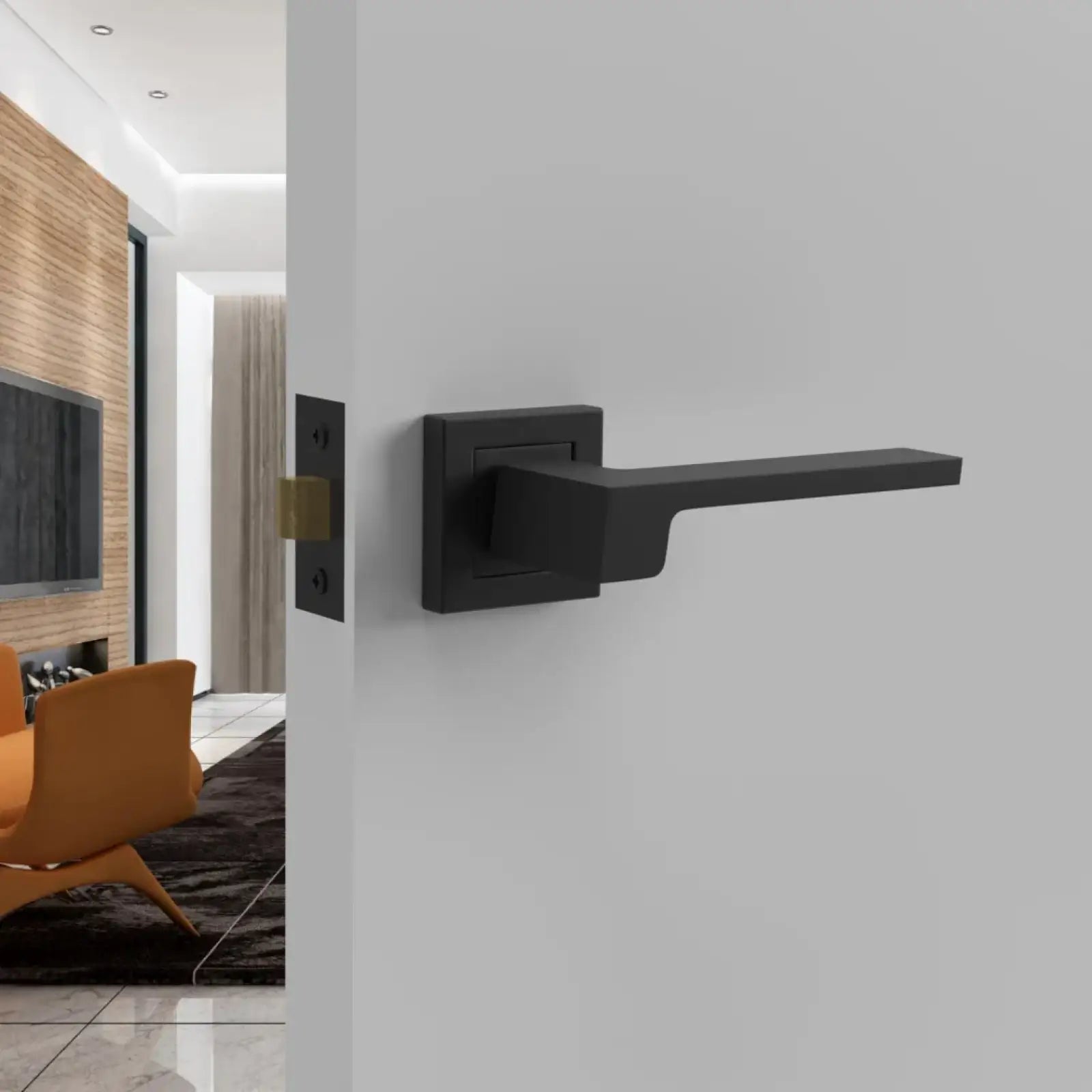
For a modern kitchen, Black Kitchen Cabinet Handles made from zinc alloy with a powder-coated or electroplated finish offer a durable surface that resists fingerprints and oil—a practical choice for busy family households.
The Impact of Finishes on Kitchen Lighting
Hardware finishes interact with your kitchen lighting in different ways. Polished finishes, such as chrome or polished nickel, reflect light and can make a small kitchen feel brighter and more energetic. However, they do show water spots and fingerprints more readily.
Matte finishes, particularly Black Handles For Kitchen Cabinets, absorb light. This creates a sophisticated, "flat" look that hides smudges and works exceptionally well under bright LED task lighting. If your kitchen receives a lot of natural sunlight, matte finishes prevent distracting glares on your cabinetry surfaces.
Comprehensive Buying Guide for Cabinet Hardware
Choosing hardware is the "jewellery" phase of your kitchen design. Follow these technical steps to ensure a professional finish:
1. Determine the Quantity
Count every door and drawer front. Don't forget integrated appliances like dishwashers or fridges, which may require "Appliance Pulls"—sturdier versions of standard handles designed to withstand the tension of vacuum-sealed appliance doors.
2. Choose Between Knobs, Pulls, or Both
- Knobs: Best for doors. They are easy to install (one screw) and take up less visual space.
- Pulls/Handles: Best for drawers. They allow you to use your whole hand to pull, which is necessary for heavy drawers filled with cookware.
- The Hybrid Approach: Use knobs on upper wall cabinets and handles on lower base cabinets and drawers for a balanced look.
3. Scale and Proportion
A common rule of thumb is the "Rule of Thirds." For a balanced look, a handle should be approximately one-third of the width of the drawer front. For example, a 900mm wide pan drawer looks best with a 300mm long pull or two smaller handles placed at the outer thirds.
4. Screw Length and Cabinet Thickness
Standard UK cabinet carcasses and doors are typically 18mm thick. Most hardware comes with 25mm M4 screws. However, if you have "in-frame" cabinetry or extra-thick bespoke doors, you may require longer 30mm or 35mm screws. Always check the depth of the threaded hole in the handle to ensure the screw won't bottom out before the handle is tight.
Common Mistakes to Avoid
- Ignoring the Projection: If you have a corner cabinet, ensure the handle on one door doesn't hit the adjacent door or handle when opened. This is a common oversight in "L-shaped" or "U-shaped" kitchens.
- Mixing Metals Incorrectly: While mixing metals is a trend, it should be intentional. Try to match the hardware finish with your tap or light fixtures. If you have a matte black tap, Black Handles are a safe and stylish bet.
- Poor Placement: Placing handles too high or too low can make them difficult to reach. For base cabinets, handles are typically placed 50mm-70mm from the top corner. For wall cabinets, they are placed 50mm-70mm from the bottom corner.
- Buying Cheap Alternatives: Low-quality handles often have "hollow" backs or thin plating that wears off within months. Invest in solid-feeling hardware that can withstand the 20-30 openings a typical kitchen cabinet endures daily.
Frequently Asked Questions (FAQ)
1. Should I use knobs or handles for my kitchen?
There is no strict rule, but functionality should lead. Handles (pulls) are generally better for drawers because they provide a more secure grip for the weight. Knobs are excellent for cupboards and aesthetic minimalism. Many modern designs use handles for everything to maintain a linear, cohesive look.
2. How do I clean and maintain black cabinet handles?
For Black Kitchen Cabinet Handles, avoid harsh chemical cleaners or abrasive pads which can scratch the matte coating. Use a soft microfibre cloth dampened with warm water and a drop of mild dish soap. Dry immediately to prevent water spots.
3. Can I replace my old handles without drilling new holes?
Yes, provided you measure the "Centre-to-Centre" distance of your existing holes accurately. If your current holes are 128mm apart, you must buy handles specified as 128mm CC. If you wish to switch to knobs, you can use one of the existing holes and fill/paint the other.
4. What is the most popular hardware finish in the UK right now?
Currently, Matte Black and Brushed Brass are the leading trends. Matte black is favoured for its ability to provide a modern, clean contrast against white, grey, or navy blue cabinetry.
Conclusion
Selecting the right cabinet hardware is a balance of aesthetic vision and practical engineering. By considering the ergonomics of the grip, the scale of the handle in relation to the door, and the durability of the finish, you ensure that your kitchen remains both beautiful and functional for years to come.
Whether you are looking for the rustic charm of Antique Cupboard Handles or the sharp, modern lines of Black Bar Handles, the right choice will elevate your interior design. If you’re looking to transform your kitchen space with the right cabinet hardware, get in touch with Décor and Décor. We feature a vast collection of drawer handles, kitchen handles, and cupboard knobs to meet your aesthetic and functional preferences. Place your orders with us today and give your kitchen the finishing touch it deserves!
Related Products
Free UK delivery and same day dispatch on all orders.
Read more
3 Tips for Buying New Cabinet Pulls
Although small, cabinet pulls have a significant impact on your kitchen. From affecting the design of the space to representing the mood you want to convey when other people enter the room, cabinet...
Read more: 3 Tips for Buying New Cabinet Pulls
Safety Measures to Secure Your Sliding Doors
The rate of property crimes has significantly reduced over the years. According to the Independent UK, improved home security systems and safety-conscious homeowners are worthy of all the credit. Y...
Read more: Safety Measures to Secure Your Sliding Doors