

3 Tips for Buying New Cabinet Pulls
Although small, cabinet pulls have a significant impact on your kitchen. From affecting the design of the space to representing the mood you want to convey when other people enter the room, cabinet pulls can enhance the look of a space in no time. If you’re having trouble picking out the right cabinet pulls for your room, here’s a guide that outlines all the factors you should consider before buying cabinet pulls that fit the overall aesthetic of your room.
Consider the Material and How It Feels In the Room
Cabinet pulls are mainly made from metal, crystal, or glass. With metal, you can choose a pull that’s made from nickel, chrome, stainless steel, pewter, and bronze. There are other various finishes you can pick from, such as oil-rubbed or satin. If you’re going for a more traditional look, you can opt for crystal and glass pulls for a vintage vibe. Whatever material you pick, make sure that it goes with the overall aesthetic of your room.
In high-moisture environments like the bathroom, material choice becomes a matter of durability as well as style. When browsing our bathroom handles, you will find that stainless steel and solid brass are preferred for their corrosion-resistant properties. These materials withstand the humidity of a British bathroom without pitting or tarnishing over time.
Complementary or Contrasting?
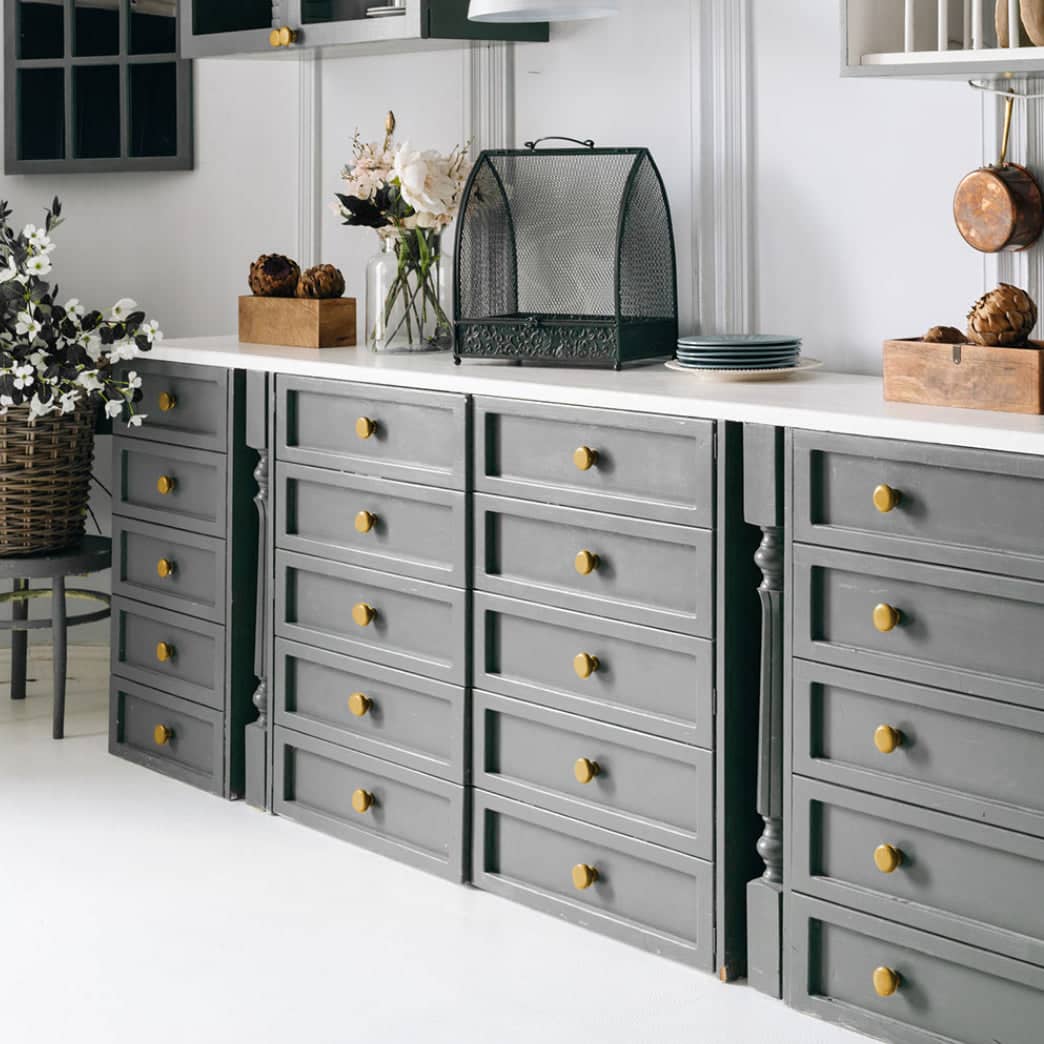
Most rooms are designed based on a chromatic look, so you may be inclined to follow the same theme when picking out cabinet pulls for the room. But if you want to opt for contrasting colours, don’t be afraid to give it a shot. For instance, you can go for a dark coloured, matte cabinet pull for a light painted cabinet. You can even use brushed nickel cabinet pulls with stained wood or grain cabinets.
Contrast isn't just about colour; it's about texture. A hammered black iron handle on a smooth, high-gloss white cabinet creates a tactile contrast that defines industrial or farmhouse aesthetics. Conversely, for a seamless, minimalist look, matching the finish of your handles to your appliances—such as using brushed steel pulls to complement a stainless steel oven—creates a cohesive visual flow throughout the kitchen.
Consider the Shape
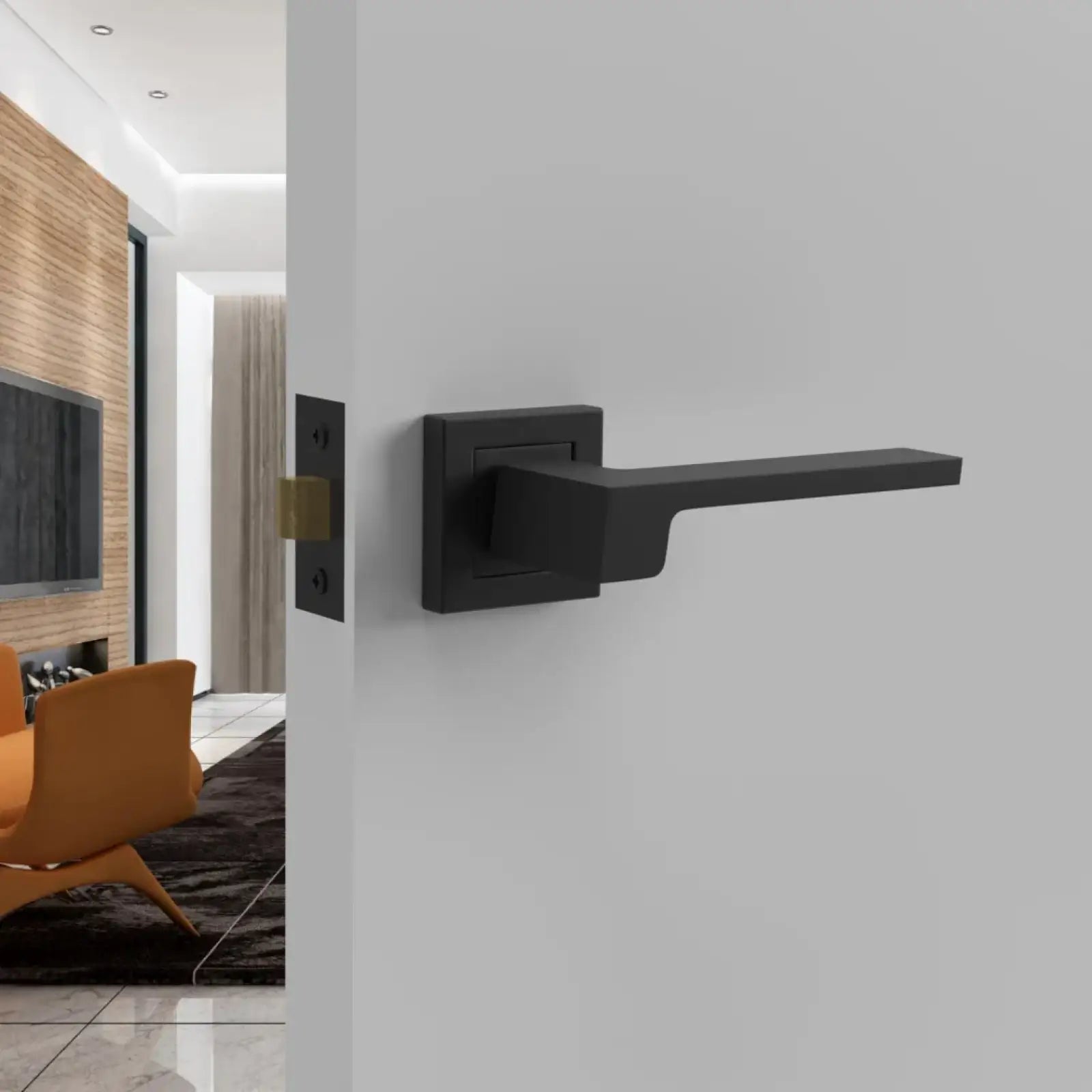
The shape of the pulls plays an important role in finalizing the cabinet hardware. Not only does the shape affect the way light reflects off your cabinet pulls, but it’s also a great way to add colour and texture to the overall design of your space. If you’re trying to create a modern space, go for pulls that have clean lines and geometric shapes. On the other hand, for transitional or traditional spaces, a cabinet pull with elegant details is a great choice.
For those looking for a classic ergonomic design, bow handles offer a curved profile that is easy to grip and fits comfortably in the hand. These are particularly effective in high-traffic kitchens where ease of use is paramount. In contrast, T-bar pulls provide a linear, architectural look that suits contemporary apartments and modern renovations.
Understanding Sizing and Technical Specifications
When upgrading existing furniture, understanding measurements is the most critical step. Cabinet pulls are generally measured by their "centre-to-centre" distance. This is the distance between the centres of the two screw holes. Standard UK sizes often include 96mm, 128mm, 160mm, and 192mm, though larger pulls for integrated appliances can exceed 300mm.
If you are installing hardware on new cabinets, you have more flexibility. Longer pulls (160mm and above) are currently trending for wide drawers, as they provide a balanced aesthetic. For smaller drawers or bedside tables, bedroom knobs are often more appropriate, providing a single point of contact that doesn't overwhelm the furniture's proportions.
Proportion and Scale
A common rule of thumb in interior design is the "Rule of Thirds." For a balanced look, a cabinet pull should ideally be approximately one-third of the width of the drawer front. For example, a 600mm wide drawer would benefit from a 192mm or 224mm pull. Using a pull that is too small can make the cabinetry look unfinished, while an oversized pull can dominate the room's visual space.
Hardware for Different Rooms
While the kitchen is the most common place for cabinet pulls, other rooms in the home require specific considerations for hardware selection.
The Bedroom
In the bedroom, hardware is often more decorative. Since these handles are used less frequently than kitchen pulls, you can opt for more intricate designs or softer materials. Our range of bedroom handles includes finishes like antique brass and polished chrome that add a touch of luxury to wardrobes and dressing tables. If you prefer a more subtle look, mixing pulls on larger wardrobe doors with matching bedroom knobs on smaller bedside drawers creates a curated, professional feel.
The Bathroom
Bathroom hardware must be functional and easy to clean. Because of the frequent contact with water and soap, smooth surfaces are often preferred over heavily textured ones. When selecting bathroom knobs, consider polished finishes like chrome or polished nickel, as these are the easiest to wipe down and maintain. These finishes also reflect light, helping to make smaller bathrooms feel brighter and more spacious.
The Ultimate Buying Guide for Cabinet Pulls
Choosing the right hardware involves more than just picking a style. Follow these practical steps to ensure a successful purchase:
- Count Your Requirements: Before ordering, count every door and drawer. It is always advisable to order 1-2 extra pulls in case of future damage or if you decide to add a matching piece of furniture to the room later.
- Check the Projection: The "projection" is how far the handle sticks out from the cabinet surface. In tight kitchens or narrow hallways, a high-projection handle might catch on clothing. Ensure there is enough clearance for walkways.
- Test the Grip: If possible, consider who will be using the handles. For households with elderly residents or children, pulls are generally easier to operate than knobs as they allow for a full-hand grip.
- Screw Length: Standard cabinet doors are usually 18mm-20mm thick. Most pulls come with 25mm M4 screws. However, if you have extra-thick bespoke cabinetry, you may need longer screws to ensure a secure fit.
- Finish Consistency: If you are buying from different ranges, check the finish names carefully. "Satin Brass" from one manufacturer may differ slightly from another. Sticking to a single collection ensures perfect visual harmony.
Common Mistakes to Avoid
Even with the best intentions, it is easy to make errors when selecting hardware. Avoid these common pitfalls:
1. Ignoring the Existing Holes
If you are replacing old handles, you must measure the centre-to-centre distance accurately. If you buy handles that don't match the existing holes, you will have to fill, sand, and repaint the cabinets, which is a significant task. If you want to change sizes, look for "backplate" handles that can cover old holes.
2. Mixing Too Many Styles
While mixing knobs and pulls is a popular design choice, mixing too many different finishes or shapes can make a room feel cluttered. Stick to a maximum of two different hardware styles within a single room to maintain a cohesive look.
3. Forgetting About Functionality
A handle might look beautiful, but if it has sharp edges or is difficult to grasp, it will become a daily frustration. Always consider the "hand feel" of the hardware, especially for high-use areas like the waste bin pull-out or the cutlery drawer.
4. Choosing Price Over Quality
Cabinet hardware is a high-touch item. Cheaply made pulls often have thin coatings that can wear off within months, exposing the base metal. Investing in solid metal or high-quality plated hardware ensures the finish remains intact for years of use.
Frequently Asked Questions (FAQ)
What is the difference between a cabinet pull and a cabinet knob?
A cabinet pull (or handle) requires two or more screws and offers a larger surface area to grab. A cabinet knob is typically smaller and requires only a single screw for installation. Pulls are generally preferred for heavy drawers, while knobs are excellent for smaller cabinet doors.
Can I mix different finishes in one kitchen?
Yes, mixing finishes is a growing trend. A common approach is to use one finish for the island and a different, complementary finish for the perimeter cabinets. For example, matte black pulls on a wooden island can look stunning alongside brushed gold pulls on white wall cabinets.
How do I clean and maintain my cabinet pulls?
For most finishes, a soft cloth dampened with warm water and mild dish soap is sufficient. Avoid using abrasive cleaners or scouring pads, as these can scratch the protective lacquer or the metal itself. For unlacquered brass, a specialised metal polish can be used if you wish to maintain a high shine, or you can let it develop a natural patina over time.
What size screws do I need for my handles?
Most UK cabinet handles use M4 screws (4mm diameter). The length depends on the thickness of your door. For a standard 18mm door, a 25mm screw is usually perfect, allowing for the thickness of the door plus the depth of the handle's threaded hole.
Conclusion
Upgrading your cabinet hardware is one of the most cost-effective ways to transform your home's interior. Whether you are looking for the sleek lines of modern bathroom handles, the classic appeal of bow handles, or decorative bedroom knobs, the right choice will provide both aesthetic beauty and daily functional ease.
If you’re looking for the right cabinet pulls for your kitchen, bedroom, or bathroom, get in touch with Décor and Décor. We feature a vast collection of drawer handles, kitchen handles, and cupboard knobs to help you transform your space. Fulfil your design and décor needs by placing an order for cabinet pulls with us today and give your home the finishing touch it deserves.
Related Products
Free UK delivery and same day dispatch on all orders.
Read more
Clutter Control: How to Organize and Revamp Your Drawers and Cupboards
The kitchen is one of the hardest areas in the home to keep neat and organised. Have you dared to look inside that top kitchen cabinet lately? Out of sight, out of mind, right? An uncluttered and u...
Read more: Clutter Control: How to Organize and Revamp Your Drawers and Cupboards3 Things to Keep In Mind Before You Buy Cabinet Hardware
Cabinet hardware isn’t something people actively think about when they plan a remodel for their kitchen. But you definitely should. Your cabinet hardware not only determines the functionality of yo...
Read more: 3 Things to Keep In Mind Before You Buy Cabinet Hardware