

Clutter Control: How to Organize and Revamp Your Drawers and Cupboards
The kitchen is one of the hardest areas in the home to keep neat and organised. Have you dared to look inside that top kitchen cabinet lately? Out of sight, out of mind, right? An uncluttered and unorganised kitchen can be frustrating, especially when you’ve stored Tupperware to the point of a plastic avalanche! You can’t find your baking sheets, food wraps, cutting boards, and pot lids anymore. Fortunately, we have some tips and tricks to help you make the most of your storage space and better maximise your day-to-day tasks in the kitchen.
Maximising Efficiency with Smart Storage Solutions
Effective kitchen organisation is not just about tidying up; it is about ergonomics and workflow. By implementing specific hardware and storage strategies, you can reduce the time spent searching for items and increase the longevity of your cabinetry.
Use Pull-Out Cabinets
Pull-out cabinets are a great way to tuck away your cooking essentials while providing easy access. Instead of merely tossing everything loosely into the cabinets, which will fill up quickly, pull-out cabinets allow you to categorise your items and place them in baskets and organisers. For narrow gaps (often 150mm to 300mm wide), pull-out spice racks or oil bottle holders utilise space that would otherwise be wasted. These systems often feature full-extension runners, meaning you can see every item right to the back of the unit without kneeling on the floor.
Use Storage Containers for Dry Goods
Use bins and storage containers to not only keep your pantry organised but also your dry goods fresh for longer. They’re stackable, a lot sleeker, and save tons of space. Instead of rifling through an entire cabinet, simply store dry items and spices in appropriately-sized airtight containers. Be sure to label them, so you know which one to grab! Square or rectangular containers are more space-efficient than round ones, as they eliminate the "dead space" in the corners of your cupboards.
Over-The-Sink Drying Rack
If you don’t have enough space for a dish-drying rack, go for the expandable and vertical option. It fits right over your sink when you need it and has a lot of room for utensils, plates, bowls, etc. This utilises the vertical "air space" in your kitchen, keeping your worktops clear for food preparation.
Use Vertical Separators
For genius organisation and storage inspiration, we love vertical slot separators inside kitchen cabinets that prevent a messy pile-up. These are particularly effective for flat items like baking trays, muffin tins, and large platters. Plus, these separators make items easy for grab-and-go than if they would’ve been piled up horizontally on top of each other. Standard spacing for these separators is usually between 50mm and 100mm apart, depending on the thickness of your cookware.
Label Your Containers
When organising your kitchen cabinets, toss out expired items and transfer most-used staples into labelled jars. Clear tops and labels make identification a lot easier and minimise the visual chaos you experience every time you’re preparing meals in a hurry. Using a consistent font or label style also contributes to a cohesive, high-end aesthetic inside your pantry.
Organise Using A Plate Rack
An upright wire plate rack makes a world of a difference in making it easy to grab dinner plates and dishes. Avoid the cookware avalanche and crashing and clattering with this easy organiser. These racks also prevent the glazing on your plates from scratching, which often happens when they are stacked directly on top of one another.
The Role of Hardware in Kitchen Revitalisation
While internal organisation is vital, the external hardware of your drawers and cupboards dictates the ease of use and the overall style of the room. Upgrading your cabinet handles is one of the most cost-effective ways to refresh a kitchen without a full renovation.
Choosing the Right Handle Style
The type of handle you choose should reflect both the era of your home and the frequency of use. For instance, cup handles are a staple of Shaker-style kitchens. They provide a deep grip, making them ideal for heavy drawers filled with pots and pans. Conversely, bow handles offer a more ergonomic, curved grip that suits modern and transitional designs alike.
When selecting a cupboard handle, consider the "centre-to-centre" measurement. This is the distance between the two screw holes. Standard UK sizes often include 96mm, 128mm, and 160mm. Measuring accurately ensures that your new hardware fits perfectly into existing drill holes, avoiding the need for wood filler and repainting.
The Impact of Cabinet Knobs
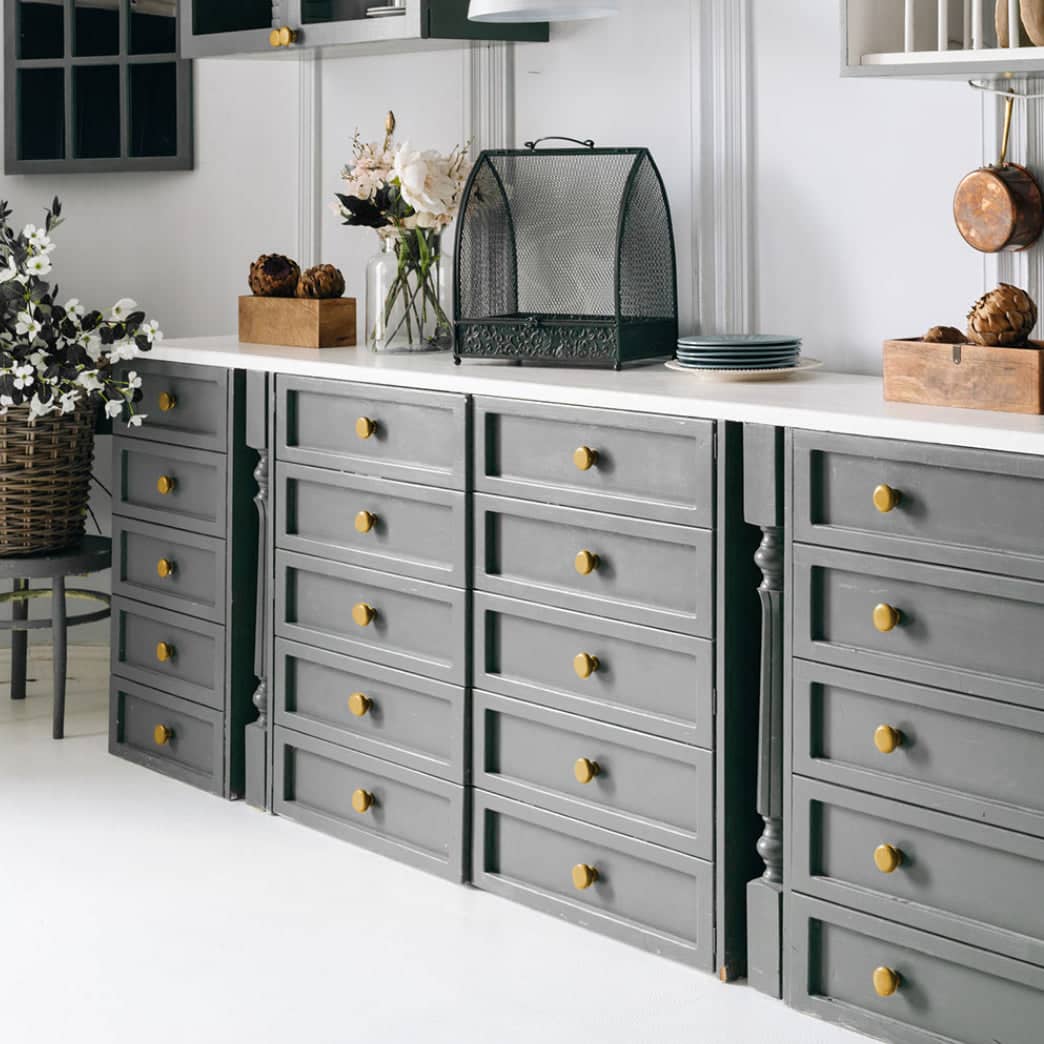
For smaller cupboards or upper cabinets, cabinet knobs are often preferred. They offer a minimalist look and are easy to install with a single screw. In high-traffic kitchens, choosing a knob with a "base" or "rose" can help protect the cabinet surface from finger marks and wear over time.
Comprehensive Buying Guide for Kitchen Hardware
Selecting the right hardware requires a balance of technical specifications and aesthetic preference. Follow this guide to ensure your selections are fit for purpose.
1. Material and Durability
Kitchens are high-moisture environments. Look for hardware made from solid brass, stainless steel, or high-quality zinc alloys. These materials resist corrosion and can withstand the oils and acids transferred from hands during cooking.
2. Sizing and Proportions
- Small Drawers (under 300mm): Use a single knob or a small 96mm handle.
- Medium Drawers (300mm - 600mm): A 128mm or 160mm handle provides a balanced look.
- Large Drawers (over 600mm): Consider using two handles or a single long "appliance pull" style handle to ensure the weight is distributed evenly when pulling the drawer open.
3. Finish Selection
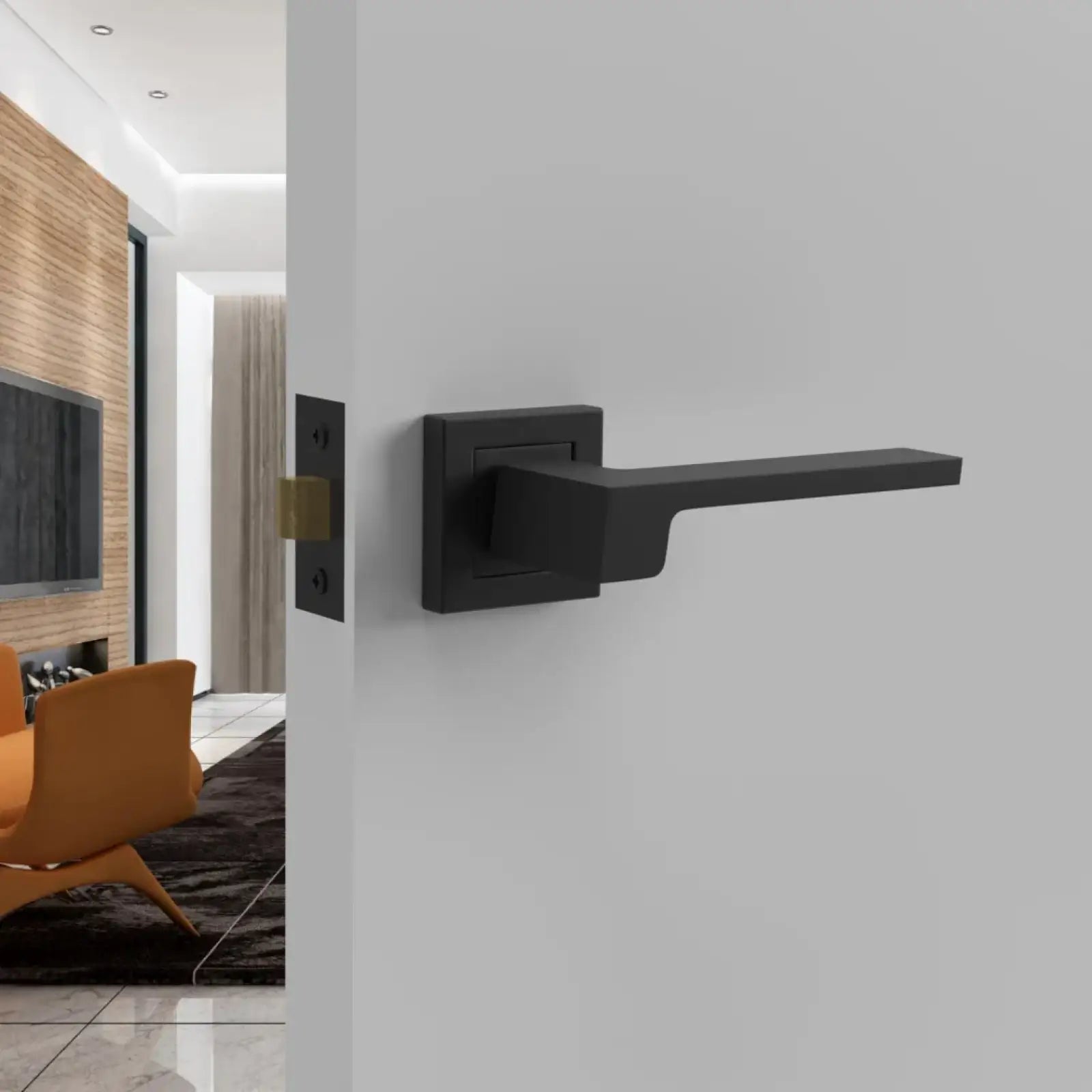
Match your hardware to other elements in the kitchen. If you have a stainless steel sink and appliances, brushed chrome or satin nickel handles provide a seamless look. For a traditional feel, antique brass or matt black finishes offer a striking contrast against lighter cabinetry.
4. Ergonomics
Always check the "projection" of a handle—this is how far it sticks out from the cupboard door. A projection of 25mm to 35mm is standard, providing enough space for fingers to grip comfortably without the handle becoming an obstruction in narrow walkways.
Common Mistakes to Avoid
Even with the best intentions, certain pitfalls can hinder your kitchen organisation efforts:
- Ignoring the "Golden Triangle": Ensure that the items you use most frequently (knives, chopping boards, oils) are stored between the sink, fridge, and stove. Placing these in a far-off cupboard creates unnecessary movement.
- Overloading Pull-Out Shelves: Every drawer runner has a weight capacity (typically 25kg to 50kg for domestic kitchens). Overloading these can cause the mechanism to fail or the drawer front to sag.
- Mixing Too Many Finishes: While "mixing metals" is a trend, try to limit yourself to two finishes. For example, black cabinet handles can pair well with a brass tap, but adding chrome hinges and copper canisters can make the space feel cluttered.
- Forgetting Clearance: Before installing new, larger handles, ensure they won't hit adjacent doors or appliances when opened. This is especially common in corner "L-shape" cabinets.
Frequently Asked Questions (FAQ)
What is the best way to clean kitchen handles and knobs?
For most finishes, a soft cloth dampened with warm water and mild dish soap is sufficient. Avoid abrasive cleaners or scouring pads, as these can strip the protective lacquer or plating off the hardware.
How do I measure for replacement drawer handles?
Open the drawer and measure the distance from the centre of one screw hole to the centre of the other. Do not measure the total length of the handle, as this does not dictate where the holes are drilled in your furniture.
Can I use cup handles on all my kitchen units?
Cup handles are designed for drawers. While they can be used on cupboards, they must be mounted horizontally, which can look unusual on vertical doors. Most designers pair cup handles on drawers with matching cabinet knobs on upright doors.
What are "soft-close" hinges and do I need them?
Soft-close hinges contain a hydraulic mechanism that slows the door as it closes, preventing slamming. They are highly recommended for extending the life of your cabinets and reducing noise in the home.
Conclusion
Organising your kitchen is a two-fold process: implementing smart internal storage solutions and choosing the right external hardware to facilitate ease of use. By utilising vertical separators, airtight containers, and pull-out systems, you can eliminate the "plastic avalanche" and create a workspace that is a joy to use.
Beautify your kitchen with high-end kitchen furniture fittings. Buy stylish kitchen doorknobs, drawer handles, door stops, and door handle sets to give your kitchen a fresh and refreshing look. Whether you are looking for traditional cup handles or modern cabinet handles, the right choice will elevate your home's interior. Check out our collection to pick out the fittings that best match your style and personality!
Make the drawer easier to use as well as organise: worn or poorly aligned slides can waste usable space and make storage frustrating. Compare soft-close, push-to-open and full-extension drawer runners, then use our drawer runner guide to measure before replacing them.
Related Products
Free UK delivery and same day dispatch on all orders.
Read more
A Brief Guide To Kitchen Layouts
Your kitchen layout is one of the most important factors in ensuring you have a practical and functional area. A clever layout makes most of the available space and helps you keep everything well o...
Read more: A Brief Guide To Kitchen Layouts
3 Tips for Buying New Cabinet Pulls
Although small, cabinet pulls have a significant impact on your kitchen. From affecting the design of the space to representing the mood you want to convey when other people enter the room, cabinet...
Read more: 3 Tips for Buying New Cabinet Pulls