

Bifold vs Sliding Wardrobe Doors: Which Should You Choose?
Both systems solve the same problem — wardrobe doors that don't swing into the bedroom — but they solve it differently, and the right choice depends on how you use the wardrobe and where the spare centimetres are in your room. Here is the honest comparison, trade-offs included.

The Core Difference
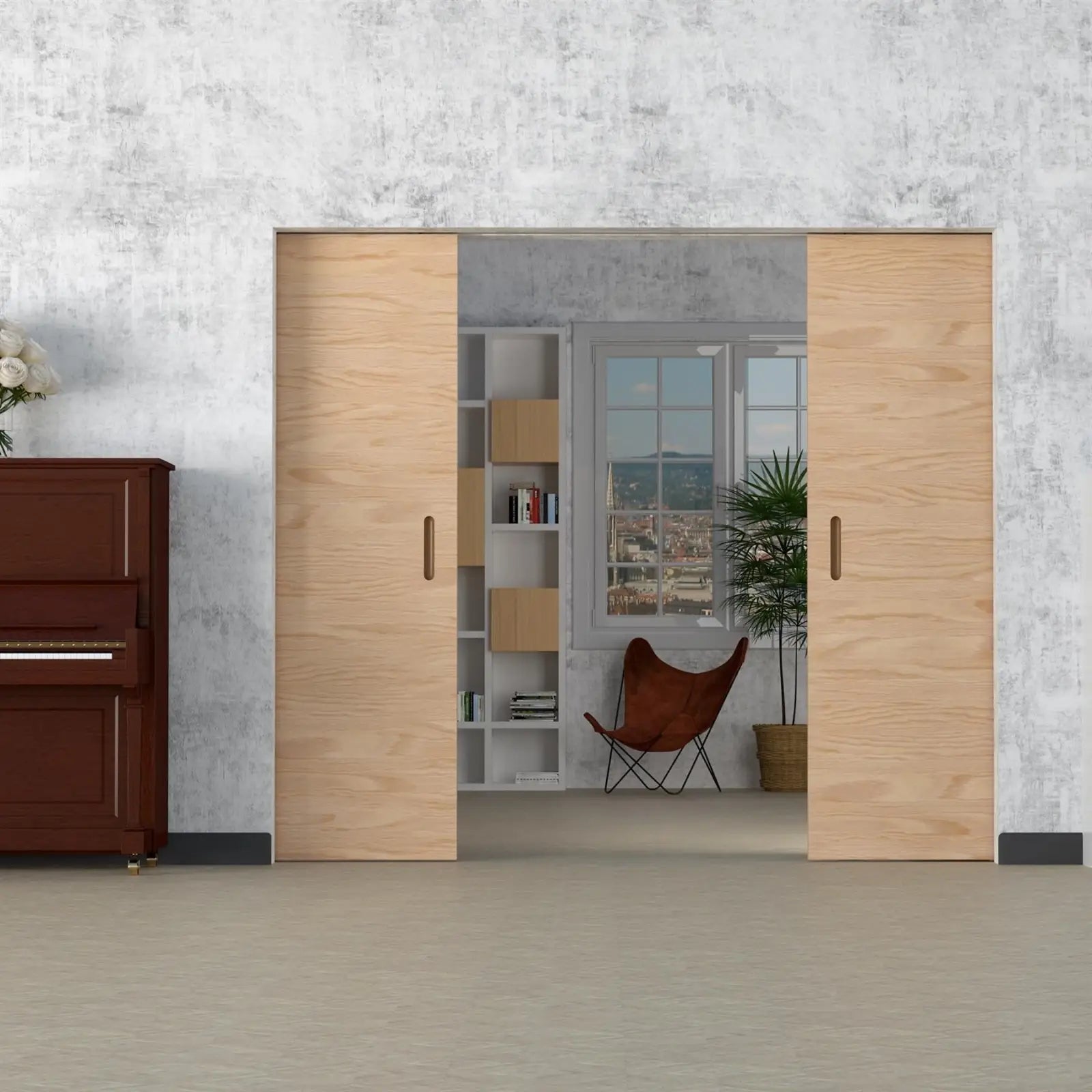
Sliding doors run on parallel tracks and pass in front of each other — at any moment, at least one door's width of wardrobe is hidden. Bifold doors hinge in pairs and fold back concertina-style, stacking at one end and leaving almost the whole wardrobe open at once.
The Case for Sliding
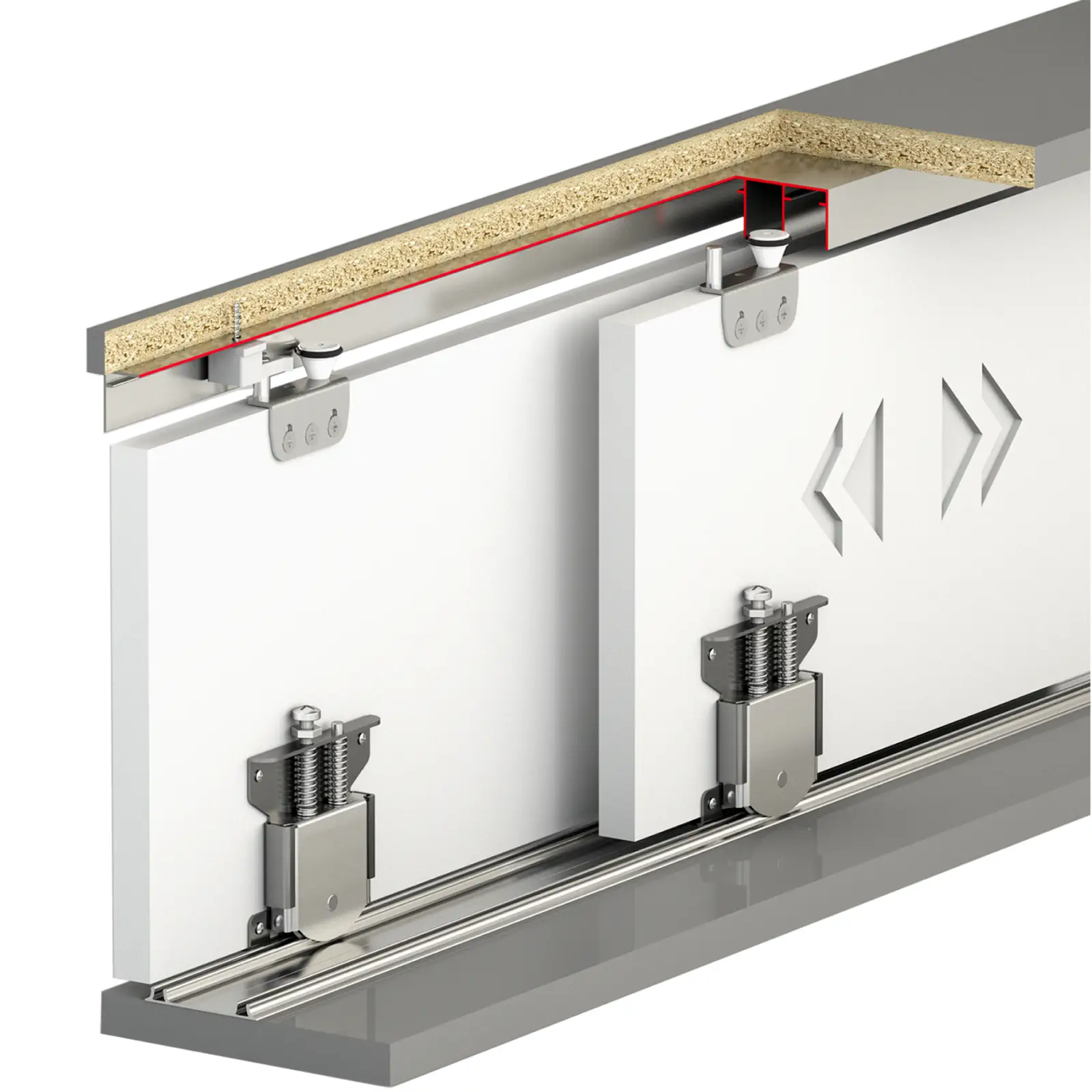
Simplicity and slimness. A sliding system (wardrobe sliding door kits) has fewer moving parts, needs no clearance in front of the wardrobe at all, and handles very wide openings gracefully — 3-metre tracks with three or four doors are routine. Soft close options like the PS-Slide settle doors silently, and mirror panels turn the doors into a feature.
The cost: the permanent overlap. You will never see your whole wardrobe at once, and the middle of a three-door run is always the awkward zone.
The Case for Bifold
Access. Fold the doors back and the entire run is open — no overlap, no hidden section, no shuffling doors back and forth while packing. For deep wardrobes, busy family storage and anyone who genuinely uses the whole rail, that is a daily quality-of-life difference. Browse bifold door kits, or our W-Slide hybrid which combines folding with sliding.
The costs: the folded stack needs somewhere to sit when open — roughly one door's width at the end of the opening — and there are more hinges and pivots to align during fitting.
The Space Maths
- Sliding: zero clearance in front; hides one door-width permanently.
- Bifold: shows everything; claims a door-width of wall while open.
- Bed close to the wardrobe? Sliding.
- Deep, busy wardrobe with wall space at one end? Bifold.
- Very wide opening (2.4m+) on a budget? Sliding scales more cheaply.
Weight, Panels and Fitting
Both systems take panels you supply — MDF, veneered board or mirror — and both publish per-door weight ratings worth checking before you choose mirror. Fitting difficulty is similar for a competent DIYer; bifold simply has more adjustment points to get the fold sitting flush.
The Short Answer
Pick sliding for tight rooms, wide walls and the cleanest look; pick bifold when you want the whole wardrobe open at once and have a door's width of parking space. Compare both families — sliding door kits and bifold door kits — with track lengths and ratings on every kit, and see the full sliding wardrobe buying guide for sizing detail.
Need a sliding door kit?
Shop our range of sliding door kits for every room. Choose from top hung kits, cabinet sliding door kits, wardrobe sliding door kits, and glass door kits. Free UK delivery and same day dispatch.
Read more
Sliding Wardrobe Doors: The Complete UK Buying Guide
Track sizes, door counts, panel weights and systems compared - everything to settle before buying sliding wardrobe doors.
Read more: Sliding Wardrobe Doors: The Complete UK Buying Guide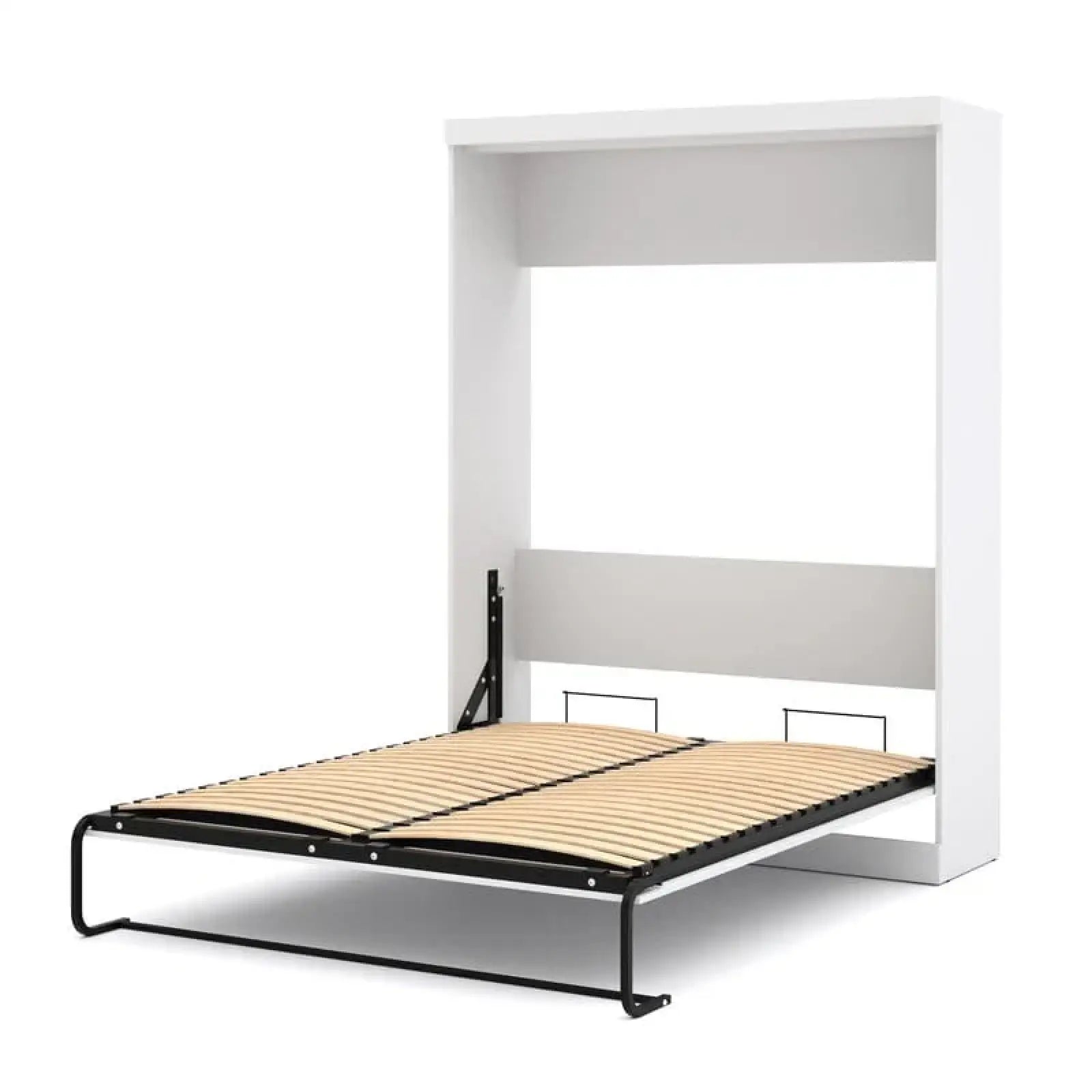
Wall Beds and Murphy Beds: A Practical UK Buying Guide
How wall beds work, vertical vs horizontal, and what separates a good mechanism from a cheap one - the practical UK guide.
Read more: Wall Beds and Murphy Beds: A Practical UK Buying Guide