

Buying a Door Closer: A Guide
Your door isn’t just an entryway; it protects you from external elements and is the first thing your guests see—as such, your choice of a front door says a lot about your personal style. If you’re looking for the perfect door to enhance your home’s curb appeal, here’s everything you need to know:
Durability and Longevity
The United Kingdom is home to all seasons; this means whether rain or shine, your door should be strong enough to withstand the test of time and weather. Metal and wood are common picks for front doors due to their durability and strength. Some homeowners also prefer steel and fibreglass, as they’re fire-resistant, providing an extra layer of extra security. Speak to your contractor and ask them for suggestions based on their experience; another good option would be to take advice from your neighbours before making a decision.
Maximum Security
Security is another important thing that should be considered when choosing a door. You don’t want any trespassers or other thefts harming your family members and valuables. The door hardware is often forgotten when choosing a door, but this can do more than just provide security. You can choose from a range of style, designs, finish, and colours. It’s important to pick one that’s high quality and can last you for years to come.
Smooth Operations
Next, consider the door’s closer. Your door’s closer should be suitable for daily traffic. You need to ensure that the door closes and opens each time completely so that no one’s harmed during the operation, and neither is the door set at risk of being damaged.
One Size Doesn’t Fit All
Lastly, you need to ensure that the door is a perfect fit. An inch smaller can mean lesser protection and increase air rafts, while a bigger size door won’t even close. The “one size fits all” logic won’t work here; you’ll need to take proper measurements to ensure that your door is big enough to let furniture pass in and out and yet small to avoid unwanted intrusions.
Understanding Door Closer Power Sizes and EN Ratings
When selecting a door closer, technical specifications are paramount. In the UK, door closers are graded by "Power Sizes" according to the BS EN 1154 standard. This classification ensures that the closer has enough force to shut the door against air pressure and latch it securely, while still being easy enough for users to open.
- Power Size 1: Suitable for internal doors up to 750mm wide and weighing up to 20kg.
- Power Size 2: Suitable for doors up to 850mm wide and 40kg.
- Power Size 3: The standard for most residential and light commercial doors, covering widths up to 950mm and 60kg.
- Power Size 4: For heavier doors up to 1100mm and 80kg.
- Power Size 5 & 6: Designed for heavy-duty industrial doors or those subject to high wind pressure, supporting up to 120kg.
It is essential to match the closer to the weight and width of your door. Using a closer that is too weak will result in the door failing to latch, compromising security and fire safety. Conversely, a closer that is too powerful for a lightweight door will make it difficult to open, particularly for children or the elderly.
Types of Door Closers for UK Homes
The mechanism you choose depends on the aesthetic of your home and the functional requirements of the room. Here are the most common types found in modern UK hardware installations:
Overhead Surface-Mounted Closers
These are the most visible and common types. They consist of a box mounted to the door or frame with a visible arm. They are highly durable and easy to adjust. When installing these, many homeowners choose to match the finish with their door hardware to ensure a cohesive look across the hallway.
Concealed Closers
For those who prefer a minimalist aesthetic, concealed closers are fitted into the door leaf and the frame. When the door is closed, the mechanism is completely invisible. These are popular in modern apartments and high-end renovations where clean lines are a priority.
Floor Springs
Commonly used for heavy glass doors or double-acting doors (doors that swing both ways), floor springs are installed into the floor surface. They are incredibly robust and can handle significant weight, making them ideal for main entrance doors in commercial-residential mixed-use buildings.
The Role of Door Handles in Functionality
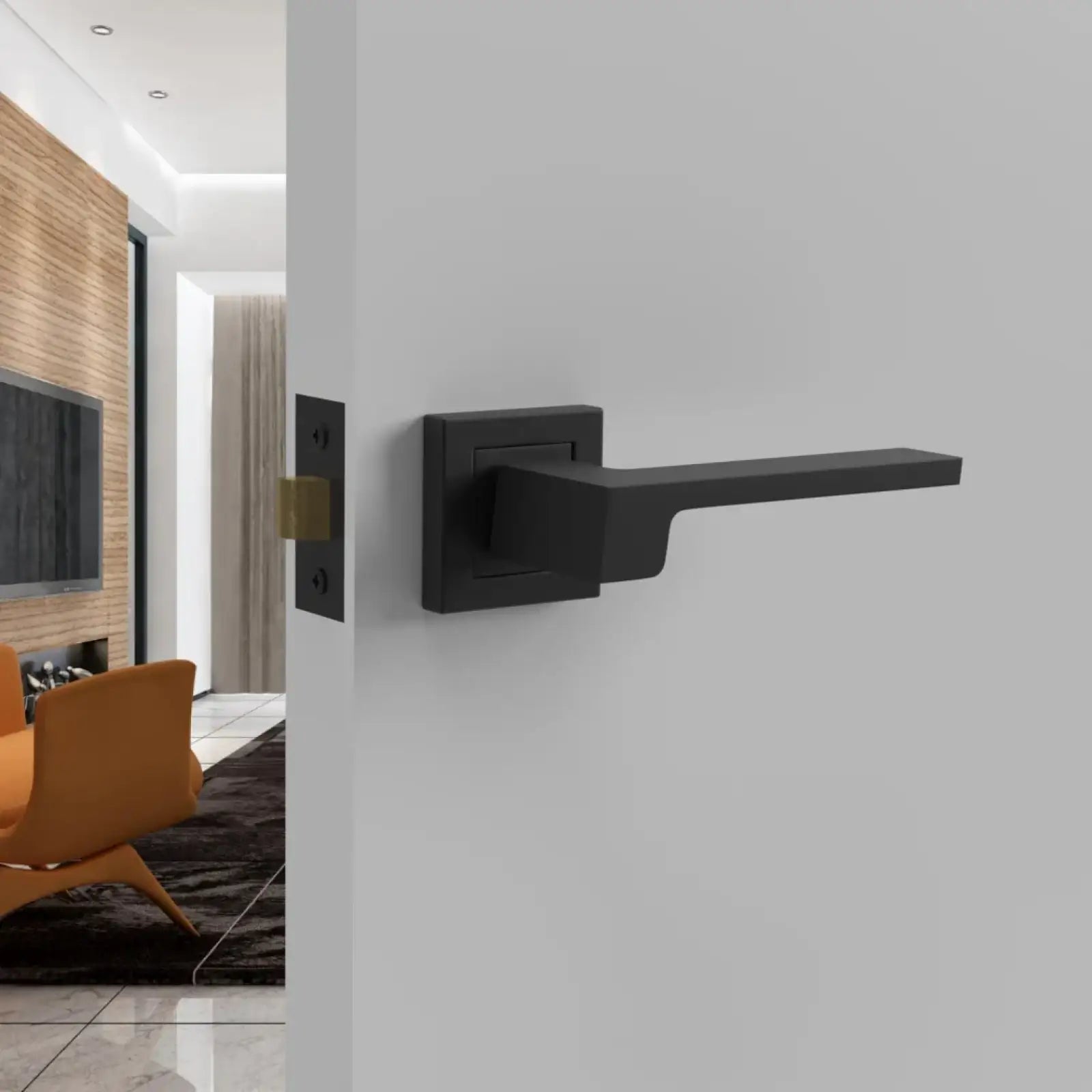
While the closer manages the movement of the door, the handle is your primary point of contact. The ergonomics of a handle can significantly change the user experience. For example, door handles on a backplate offer a traditional feel and can cover existing screw holes, while handles on a rose provide a more contemporary, sleek appearance.
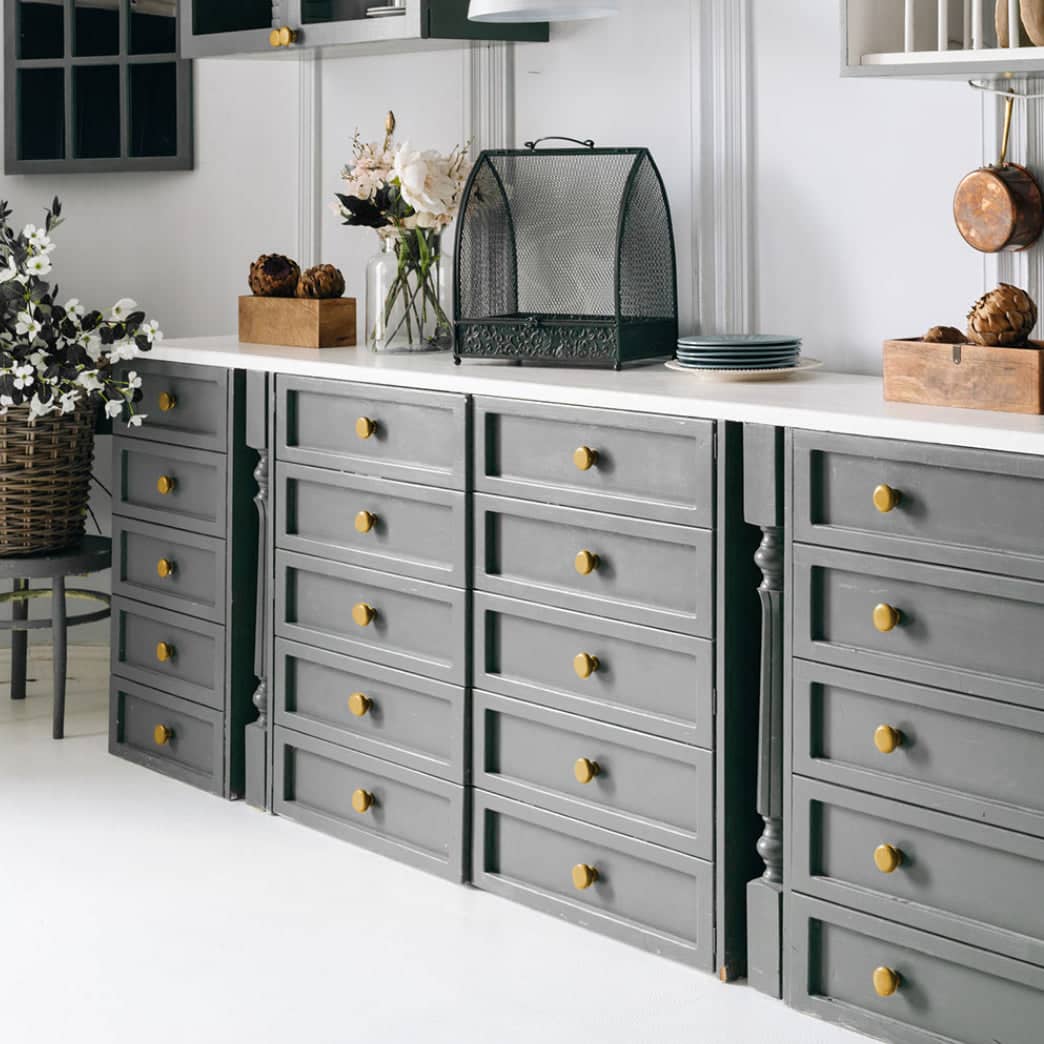
In high-traffic areas like kitchens or utility rooms, the choice of hardware extends to cabinetry. Matching your door furniture with bow handles or cup handles on nearby cupboards creates a professional, interior-designed finish. For a more industrial or modern look, D handles offer a sturdy grip and a clean profile that complements overhead door closers perfectly.
Comprehensive Buying Guide: Selecting Your Door Closer
To ensure you make the right investment, follow these practical steps when purchasing your door closer and associated hardware:
1. Determine the Door Traffic
How often is the door used? A front door in a family home may be opened 20-30 times a day, whereas a storage cupboard might only be opened once a week. High-traffic doors require a "Grade 1" or "Grade 2" durability rating to ensure the internal springs and hydraulics do not fail prematurely.
2. Check for Fire Regulations
In the UK, many internal doors (especially those leading to kitchens or integral garages) are designated fire doors. These must be fitted with a fire-rated door closer that is CE marked and tested to BS EN 1154. Ensure the closer you choose is "Fire Rated" to comply with UK Building Regulations Part B.
3. Measure the Door Dimensions
Before ordering, measure the width, height, and thickness of your door. Most standard UK internal doors are 35mm to 44mm thick. If your door is particularly thick or heavy (such as solid oak), you will need a closer with a higher power size.
4. Consider Backcheck and Delayed Action
- Backcheck: This feature prevents the door from being thrown open violently by the wind or a person, protecting the door frame and nearby walls from damage.
- Delayed Action: This allows the door to stay open for a short period before closing, which is incredibly useful if you are carrying groceries or moving furniture.
5. Aesthetic Matching
Don't treat the closer as a purely functional item. Most closers come in various finishes including Polished Chrome, Satin Nickel, and Antique Brass. Match these to your door hardware to maintain a consistent theme throughout your home.
Common Mistakes to Avoid
Even with the best hardware, errors in selection or installation can lead to poor performance. Avoid these common pitfalls:
- Incorrect Power Size: Buying a "one size fits all" closer often leads to doors that are either too hard to open or fail to close against the latch. Always check the EN power rating.
- Ignoring the Latching Speed: Many people fail to adjust the "latch speed" vs the "closing speed." The closing speed controls the door for the first 75 degrees, while the latch speed controls the final 15 degrees. If the latch speed is too slow, the door won't lock; if it's too fast, it will slam.
- Mounting on the Wrong Side: Ensure you know whether you need a "pull-side" or "push-side" installation. Not all closers are universal, and mounting them on the wrong side can void the warranty and reduce effectiveness.
- Mismatched Hardware: Installing a high-end door closer alongside cheap, low-quality door handles can lead to mechanical failure. Ensure all components are of a similar quality grade.
- Painting Over the Closer: Never paint over the arm or the main body of a hydraulic door closer. Paint can seep into the seals and cause the hydraulic fluid to leak, rendering the unit useless.
Frequently Asked Questions (FAQ)
1. Can I install a door closer on a UPVC door?
Yes, you can install a door closer on a UPVC door, but you must use specialized fixings. Standard wood screws will not hold in the hollow chambers of a UPVC frame. It is recommended to use "rivnuts" or heavy-duty fixings designed for plastic profiles to ensure the closer remains secure.
2. Why is my door closer leaking oil?
If you see oil dripping from the main body of the closer, the internal seals have failed. This is usually caused by age, extreme temperature fluctuations, or someone forcing the door to close faster than the hydraulic setting allows. A leaking closer cannot be repaired and must be replaced immediately as it loses its damping ability.
3. Do I need a door closer on every door?
While not required for every door, they are highly recommended for doors leading to the outside (to prevent heat loss) and are legally required on fire doors in multi-occupancy buildings or homes with more than two storeys.
4. How do I adjust the closing speed?
Most closers have two small valves on the side or end of the body, usually marked '1' and '2'. Valve 1 typically controls the main closing speed, and Valve 2 controls the latching speed. Use a screwdriver to turn them in small increments—clockwise to slow down and anti-clockwise to speed up.
Conclusion
Choosing the right door closer and hardware is about balancing safety, durability, and style. By understanding the technical requirements of your specific door—from its weight to its fire rating—you can ensure a long-lasting installation that protects your home and enhances its functionality. Remember that the details matter; matching your closer with high-quality door handles and cabinetry hardware like cup handles or D handles creates a polished, professional look.
If you’re looking for top quality door handles online, get in touch with Décor & Décor. We have a wide range of premium furniture accessories at our online store. Whether you’re looking to buy a sliding door kit, kitchen knobs online, or drawer handles, you’ll find them all here at affordable rates along with fast delivery! Browse our collection today and avail free UK delivery on orders over £45!
Related Products
Free UK delivery and same day dispatch on all orders.
Read more
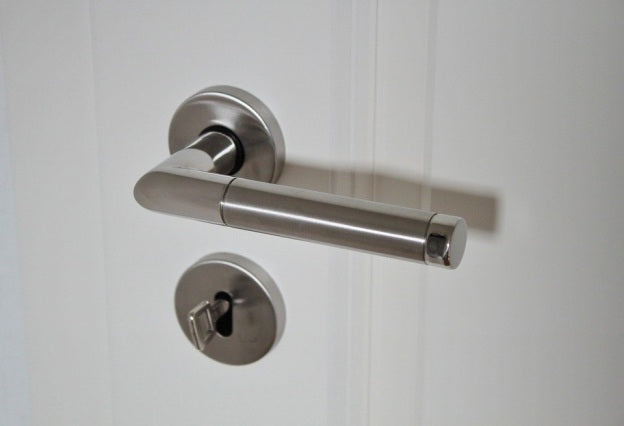
Creaky Noises: What's the Link Between Door Handles and Sleep Quality?
Discover how a creaky door handle disrupts your sleep stage, preventing deep slumber and leading to health issues. Fix it for better sleep and health.
Read more: Creaky Noises: What's the Link Between Door Handles and Sleep Quality?
The Benefits of Kitchen Cabinet Handles and Pulls
Explore the importance of kitchen cabinet handles in enhancing your home's design. Choosing the right styles and colors adds aesthetic value to your kitchen and dining area.
Read more: The Benefits of Kitchen Cabinet Handles and Pulls