


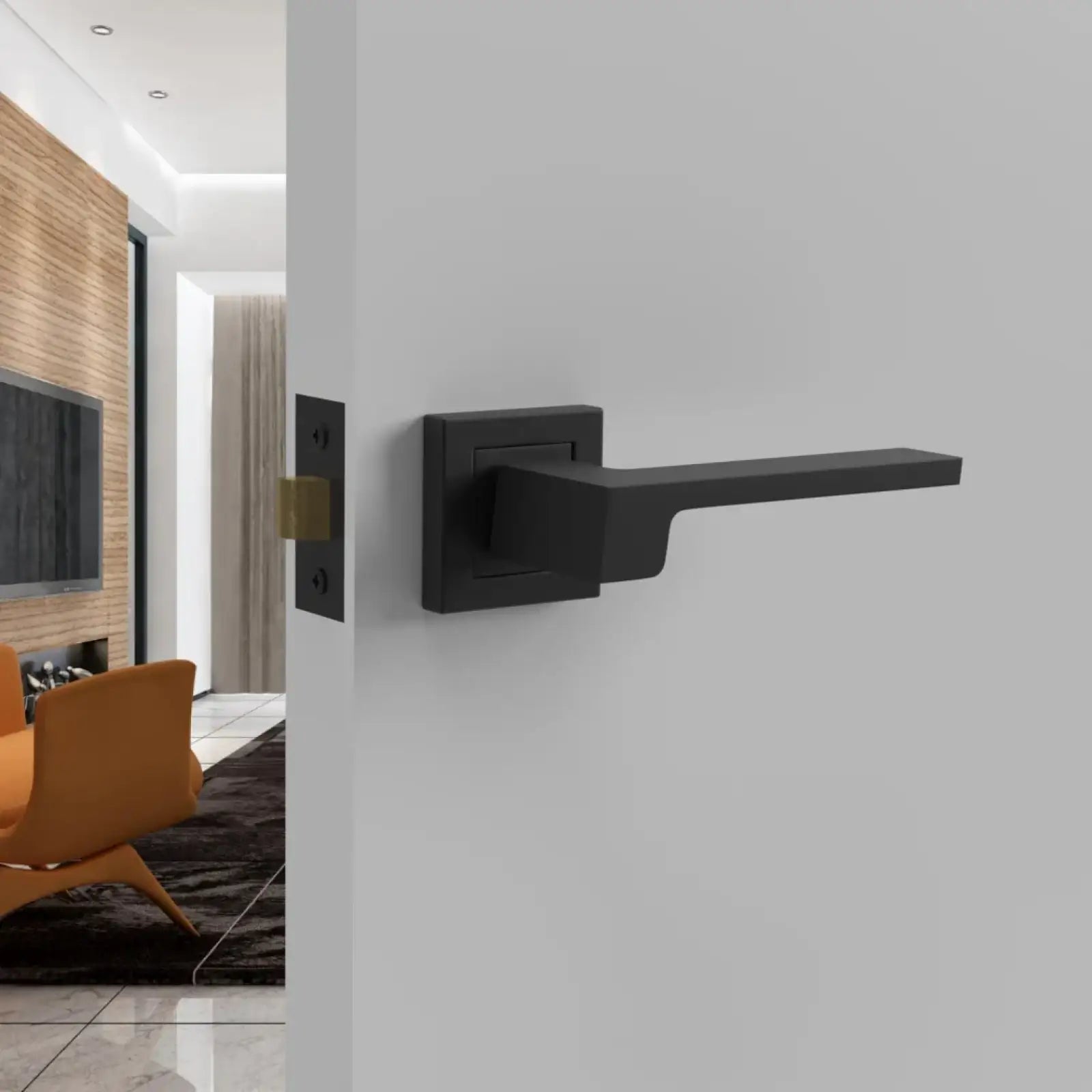

Creaky Noises: What's the Link Between Door Handles and Sleep Quality?
Neighbours who like to play loud music in the middle of the night aren't just the only source of noise pollution. Something as small as having a creaky door handle can also prevent you from indulging in a deep slumber. A poor night's sleep can have far-reaching consequences on your body’s health. Door Handles and Sleep Quality: How are they linked? Just when you were about to fall into a deep slumber, your partner turns the door handle to have a drink in the kitchen, and the creaky noise from it is enough to wake you up. Once your sleep has been disturbed, it can be difficult to fall asleep again.
Why is that? Scientific studies suggest that hearing noise during the light stage of your sleep can easily wake you up and prevent you from going into the REM sleep stage. The REM stage is where the body goes into repair mode and gets you ready for the next day. However, if your noisy door handle has been limiting you to a lighter sleep stage, your body doesn't get the chance to relax properly. Moreover, the lighter sleep stage has been linked to the production of stress hormones like cortisol. Did you know that a creaky door handle can cause you to gain weight too? Studies suggest that a fragmented sleep pattern can disturb your circadian rhythm, leading you to experience irritability, mood swings, weight gain and slower thinking.
The Science of Sound and Sleep Disruption
In the UK, the average person requires between seven and nine hours of quality sleep to function optimally. When we discuss "quality," we refer to the uninterrupted transition through the four stages of sleep. A squeaky door handle typically registers between 50 to 65 decibels (dB). For context, the World Health Organisation (WHO) recommends that for a good night's sleep, background noise should not exceed 30 dB, and individual noise events should not exceed 45 dB.
When a door handle emits a high-pitched metallic screech, it triggers the brain's "vigilance system." This is an evolutionary trait designed to alert us to potential threats. Even if you do not fully wake up, the noise causes a "micro-arousal," shifting you from deep Stage 3 sleep back into Stage 1 or 2. This fragmentation prevents the glymphatic system from effectively clearing toxins from the brain, which is why you may feel "foggy" the next morning despite being in bed for eight hours.
What’s Causing Your Door Handle to Squeak?
Getting little sleep at night can have long-term effects on your health. It could lead to the development of obesity, hypertension, and other heart diseases. It's better to get to the root of the problem and repair or replace your noisy door handle. Creaky noises from door handles can be due to a loose base plate or even due to friction. This can be simply fixed by tightening the screws that fasten the handle base plate to the door.
In some cases, squeaks can occur due to friction in the door handle's metal parts and the base plate. A simple solution is to use penetrating oil to lessen this friction. However, if your door handle is way past its prime, it would be better to replace it with a new one. Internal mechanisms, such as the heavy-duty spring or the spindle, can wear down over time. When the internal coil spring loses its tension or begins to rub against the internal housing, the resulting metal-on-metal friction creates that characteristic piercing sound every time the lever is depressed.
Technical Causes of Hardware Noise
- Spring Fatigue: Most UK internal doors use a mortice latch. If the spring within the handle or the latch itself weakens, the handle may sag, causing the spindle to rub unevenly against the latch mechanism.
- Loose Spindles: The spindle is the square metal bar (usually 8mm in diameter) that connects the handles on either side of the door. If this is not seated correctly, it can rattle or vibrate against the internal mechanism.
- Lack of Lubrication: Over years of use, the factory-applied grease dries out. Dust and debris then enter the mechanism, increasing friction and noise.
- Misalignment: If the door has dropped on its hinges, the latch bolt may be hitting the strike plate at an angle, requiring more force to turn the handle and causing a "clunking" sound.
Beyond the Bedroom: The Impact of Kitchen and Wardrobe Hardware
While the bedroom door is the primary culprit, noise pollution in the home often extends to the kitchen and dressing areas. If you share a home, a partner waking up early to get dressed or make coffee can inadvertently disturb your sleep through noisy cabinetry.
Replacing old, rattling pulls with high-quality cup handles or ergonomic bow handles can significantly reduce the "clatter" associated with opening drawers. Modern hardware is designed with tighter tolerances, meaning there is less "play" in the fitting, resulting in a silent operation. Similarly, if your bedside table drawers are sticking or screeching, upgrading to smooth-action drawer handles can ensure that reaching for a glass of water or a book in the middle of the night remains a silent activity.
The Ultimate Buying Guide for Silent Door Hardware
When silence is the priority, not all door handles are created equal. Follow this technical guide to ensure you select the quietest hardware for your home.
1. Choose the Right Mechanism
Look for handles with "sprung" mechanisms. A sprung handle contains its own internal spring, which assists the latch in returning to its original position. This reduces the strain on the latch and ensures a smoother, quieter snap-back. For the ultimate silent experience, consider "nylon-lined" latches, where the bolt is tipped with plastic to prevent metal-on-metal contact with the strike plate.
2. Material Matters
Solid brass or high-grade stainless steel handles tend to be quieter than hollow aluminium or zinc alloy alternatives. The density of the material absorbs more vibration, leading to a "thud" rather than a "clink."
3. Check the Spindle Size
In the UK, the standard spindle size is 8mm. Ensure your new D handles or lever handles come with a high-quality spindle that fits snugly. A loose spindle is the leading cause of "rattle" noise.
4. Consider the Finish
While the finish (Chrome, Satin Nickel, Antique Brass) is largely aesthetic, high-quality PVD (Physical Vapour Deposition) finishes are smoother and reduce the friction between the moving lever and the fixed rose or backplate.
Common Mistakes to Avoid When Replacing Handles
To ensure your new hardware remains silent for years to come, avoid these frequent installation and maintenance errors:
- Over-tightening the Screws: While it seems counter-intuitive, over-tightening the fixing screws can compress the door material and cause the internal mechanism to bind, leading to a grinding noise.
- Using the Wrong Lubricant: Never use WD-40 as a permanent lubricant for door handles. It is a degreaser that will eventually dry out the existing grease. Instead, use a lithium-based grease or a graphite-based lubricant.
- Ignoring the Latch: Often, people replace the handle but keep the old, rusty latch. If the latch is 20 years old, a new handle won't fix the noise. Always replace the mortice latch (usually 64mm or 76mm) at the same time as the handle.
- Incorrect Alignment: If the handle is installed even 1mm off-centre from the latch, the spindle will rub against the wood of the door, creating a creaking sound every time it is turned.
Frequently Asked Questions
How do I know if I need to replace my handle or just lubricate it?
If the handle is sagging (not returning to a horizontal position) or if you can feel a "gritty" sensation when turning it, the internal spring is likely broken or worn, and replacement is necessary. If it functions smoothly but simply squeaks, a lubricant may solve the issue.
What is the standard size for UK door handles?
Most UK internal doors use a 57mm "centre" (the distance between the centre of the handle spindle and the centre of the keyhole). For modern lever-on-rose handles, the rose diameter is typically 50mm to 53mm.
Can I replace my door handles myself?
Yes, replacing a standard lever handle is a straightforward DIY task. You will typically need a Phillips screwdriver and perhaps an Allen key for the grub screw. Ensure you measure the "backset" (the distance from the edge of the door to the centre of the handle hole) before purchasing new hardware.
Why does my handle click when I let go?
This is usually caused by the spring hitting the stop-plate too forcefully. High-quality handles from Decor and Decor feature dampened springs or nylon washers to prevent this specific noise.
Conclusion: Invest in Your Sleep
Your home should be a sanctuary of peace, and the hardware you interact with daily plays a significant role in that environment. A creaky door handle is more than just a minor annoyance; it is a disruptor of the vital REM sleep your body needs to recover and thrive. By understanding the mechanics of your door hardware and choosing high-quality replacements, you can eliminate unnecessary noise and improve your overall well-being.
Our wide door handle collection at Decor and Decor provides you with lots of options to choose from. Whether you want to buy a premium door handle or change all the drawer handles of your house to give it a new look, our extensive collection will surely win you over. Don't let a squeaky latch stand between you and a perfect night's sleep—upgrade to silent, smooth-action hardware today.
Related Products
Free UK delivery and same day dispatch on all orders.
Read more
Door Handle FAQs: What's a Deal Breaker When Designing Interiors for Minimalist Homes
Learn how to select door handles for a minimalist home, including tips on materials like brass and stainless steel for kitchen door handles to avoid rust and ensure durability.
Read more: Door Handle FAQs: What's a Deal Breaker When Designing Interiors for Minimalist Homes
Discover the perfect front door to boost your home's curb appeal at affordable rates. Explore durable options like metal or wood, and enhance security with the right hardware. Find your style from ...
Read more: Buying a Door Closer: A Guide