

Kitchen Handle Sizes Guide: 96mm, 128mm, 160mm, 192mm Explained
Upgrading your kitchen cabinetry is one of the most effective ways to breathe new life into your home without a full renovation. However, the secret to a professional finish lies in the details—specifically, understanding kitchen handle sizes and measurements. Whether you are replacing old hardware or installing handles on brand-new doors, getting the "centre-to-centre" measurement right is crucial for both aesthetics and functionality.
At DecorAndDecor, we provide a premium range of kitchen handles designed to suit every style, from contemporary minimalist to traditional heritage. Navigating the world of millimetre-perfect measurements can feel daunting, but once you understand the industry standards, you can confidently choose the perfect hardware to complement your space.

Key Concepts in Handle Sizing
When shopping for hardware, you will encounter two primary measurements: the Overall Length and the Centre-to-Centre (CTC) distance. The CTC is the distance between the centres of the two screw holes. This is the most important measurement because it determines whether a handle will fit your existing drill holes or where you need to mark your new ones.
Understanding Centre-to-Centre (CTC) Measurements
In the UK hardware industry, handle sizes are standardised to ensure compatibility across different manufacturers. These measurements are almost always in millimetres. The most common sizes you will encounter are 96mm, 128mm, 160mm, and 192mm. These increments of 32mm are part of a global manufacturing standard known as the "32mm system," which helps maintain consistency in cabinet making.
Choosing the right size isn't just about fitting existing holes; it's about scale and proportion. A small 96mm handle might look lost on a large pantry door, while a 192mm handle could overwhelm a small spice drawer. Balancing the length of the handle with the width or height of the cabinet door is the key to a balanced kitchen design.
The 96mm Handle: Compact and Classic
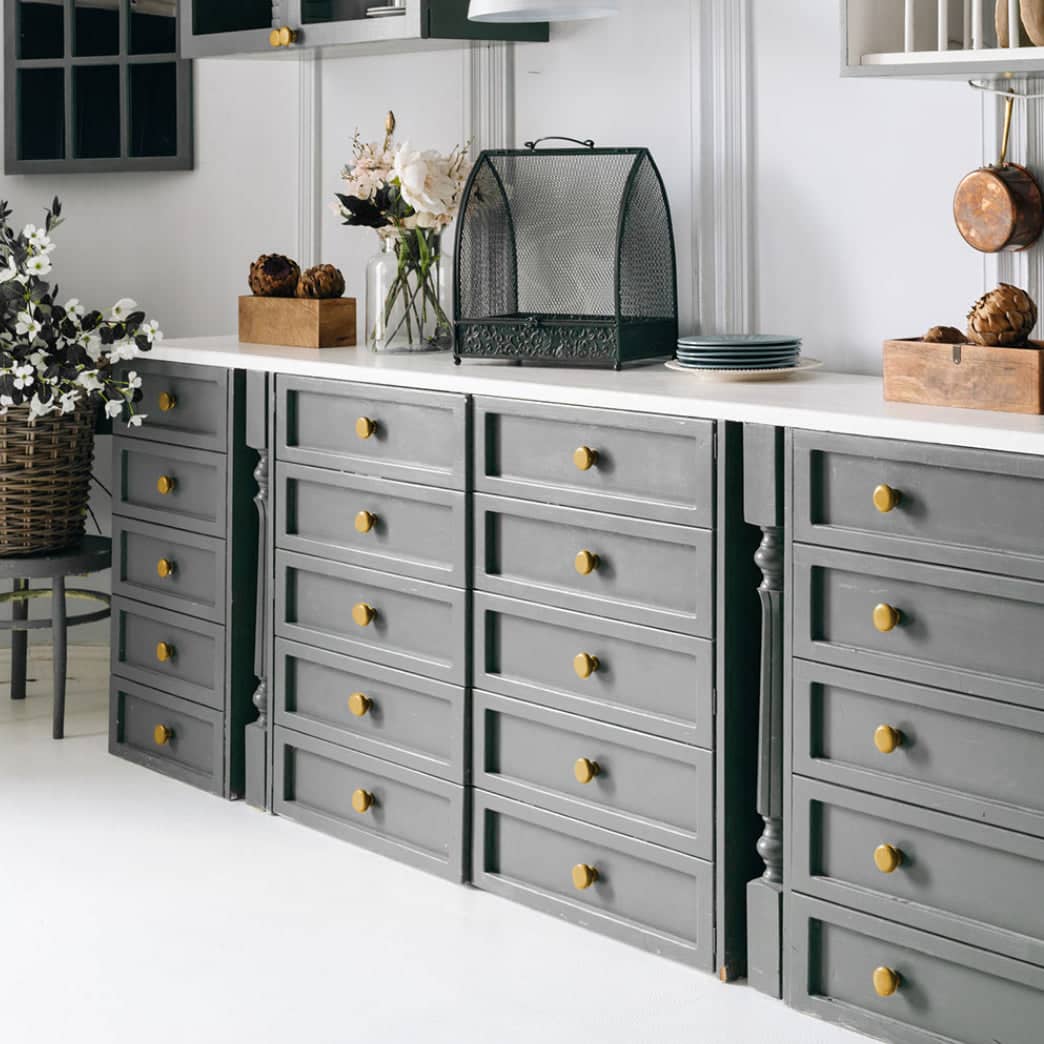
The 96mm centre-to-centre measurement is a staple for smaller drawers and narrow cabinets. It is frequently used in traditional kitchens where a more subtle look is desired. Our antique brass handles in this size are particularly popular for shaker-style kitchens, providing a timeless touch without dominating the cabinetry.
While 96mm is on the smaller side of the spectrum, it offers excellent grip for standard-sized hands and is often the go-to choice for bedside tables or smaller vanity units in bathroom handles applications.
The 128mm Handle: The Industry Standard
If there is a "universal" size in the UK, it is the 128mm handle. This size offers the perfect middle ground—long enough to provide a comfortable four-finger grip, yet compact enough to fit almost any cabinet door or drawer front. It is the most versatile option in our cabinet handles collection.
For a modern aesthetic, many homeowners opt for 128mm black kitchen handles in a Matt Black finish. The contrast of black against light-coloured cabinetry creates a striking, contemporary look that remains ergonomic and easy to use.
Quick Size Reference Guide
Use this guide to match your cabinet width to the recommended handle size:
- Small Drawers (under 300mm): 96mm or 128mm handles.
- Standard Cabinets (300mm - 600mm): 128mm or 160mm handles.
- Large Drawers/Pantries (600mm+): 192mm, 224mm, or even longer appliance pulls.
- Integrated Appliances: Always opt for 160mm or larger for better leverage.
The 160mm and 192mm Handles: Bold and Functional
As kitchen designs move towards larger, wider drawers and floor-to-ceiling larder units, larger handles like the 160mm and 192mm sizes have surged in popularity. These longer lengths provide a sleek, linear look that complements modern, handle-heavy designs.
A 160mm brushed chrome handle offers a clean, professional appearance that works exceptionally well in high-traffic kitchens. Meanwhile, 192mm handles are ideal for heavy integrated dishwashers or fridge-freezers, where the extra length provides the necessary leverage to open heavy doors easily.
Choosing the Right Finish for Your Size
The size of the handle often dictates how much of the finish is visible, which can change the "temperature" of your kitchen design. For example, a large 192mm brushed gold handle will act as a statement piece, adding warmth and luxury to the room. In contrast, a smaller 96mm satin nickel handle provides a more muted, silver-toned accent that blends into the background.
When selecting finishes, consider the following popular UK choices:
- Brushed Brass: Perfect for adding a touch of modern elegance.
- Polished Chrome: A classic choice for bright, reflective surfaces.
- Antique Copper: Ideal for rustic or industrial-themed kitchens.
- Matt Black: The ultimate choice for a bold, monochrome statement.
Technical Specifications for Installation
- Standard Hole Diameter: Most UK kitchen handles require a 5mm diameter hole.
- Screw Size: Standard M4 screws are typically used (usually 25mm length for 18mm thick doors).
- Tolerance: Allow for a +/- 0.5mm variance in drill holes for a smooth fit.
- Clearance: Ensure the handle projection (how far it sticks out) doesn't interfere with adjacent corner doors.
How to Measure for Replacement Handles
If you are refurbishing an existing kitchen, accuracy is paramount. Follow these steps to ensure your new handles fit perfectly:
- Remove one existing handle: This allows you to see the bare holes.
- Use a metric ruler: Measure in millimetres from the centre of the left hole to the centre of the right hole.
- Check for standard sizes: If your measurement is close to 128mm (e.g., 127mm or 129mm), it is almost certainly a standard 128mm fitting.
- Check the "Footprint": If your old handles left a mark or indentation on the door, ensure your new handles have a base (or "feet") large enough to cover those marks.
If you find that your existing holes do not match standard sizes, you might consider "T-Bar" style handles. Some T-bars have adjustable centres, or you can choose a handle with a large backplate to cover the old holes while you drill new ones at a standard 160mm or 192mm distance.
Why Handle Size Matters
- Ergonomics: Larger handles are easier to grab for those with limited mobility.
- Aesthetics: Long handles create horizontal lines that make a kitchen feel wider.
- Durability: Correctly sized handles distribute the pulling force more evenly across the door material.
- Value: High-quality, well-proportioned hardware increases the perceived value of your home.
Matching Handles with Cabinet Styles
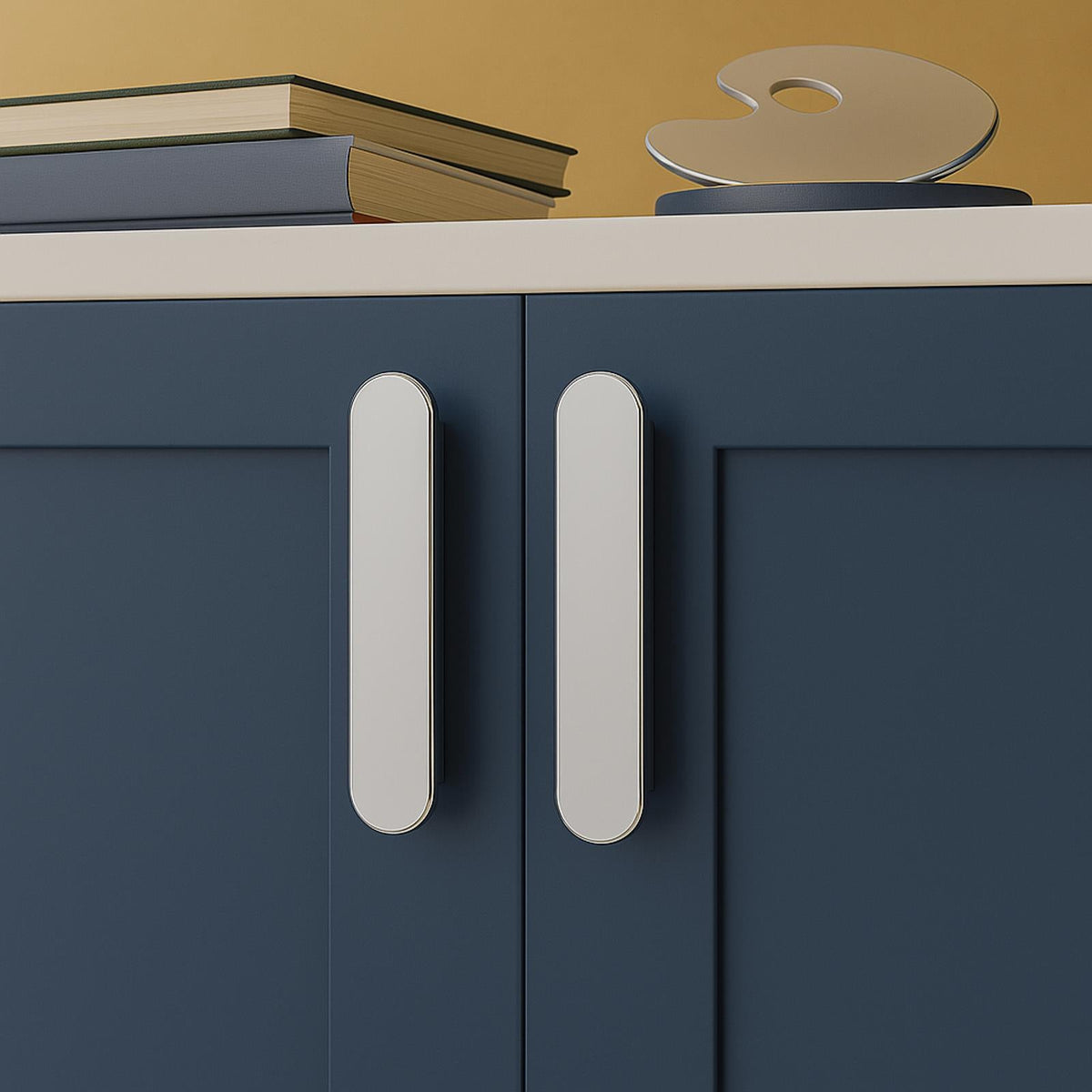
The size you choose should also reflect the style of your cabinetry. For Shaker doors, the handle is usually placed horizontally on drawers and vertically on doors. A 128mm brushed brass handle is a classic companion for navy or forest green Shaker units.
For Slab or Flat-panel doors, you have more freedom. Long, 192mm handles in antique copper or antique bronze can create a stunning industrial look. If you prefer a minimalist vibe, smaller satin chrome handles offer a clean, unobtrusive finish.
Common Mistakes to Avoid
One of the most common mistakes is failing to account for the "projection" of the handle. This is how far the handle sticks out from the door. In tight galley kitchens, a handle with a high projection might catch on clothing or prevent corner cupboards from opening fully. Always check the technical drawings provided on our product pages to ensure the depth is suitable for your space.
Another error is mixing too many different sizes. While using two different sizes (one for drawers, one for cupboards) can look great, using four or five different lengths in one kitchen can look cluttered. Stick to a maximum of two CTC sizes to maintain a cohesive design language throughout the room.
Final Thoughts on Kitchen Handle Sizing
Choosing the right kitchen handle size is a blend of technical precision and personal style. By sticking to standard UK measurements like 96mm, 128mm, 160mm, and 192mm, you ensure that your kitchen is not only beautiful but also functional and easy to maintain. Whether you prefer the warmth of Brushed Gold, the sleekness of Matt Black, or the timeless appeal of Polished Chrome, DecorAndDecor has the perfect fit for your home. Explore our full range of kitchen handles today to find the final piece of your design puzzle.
Looking for new handles?
Browse our collection of over 170 handles in 8 finishes, including black kitchen handles, antique brass handles, and chrome handles. Free UK delivery and same day dispatch on all orders.
Read more
The Ultimate Kitchen Handles Buying Guide UK 2026
Published: 10th February 2026 | Reading Time: 15 minutes | Category: Kitchen Hardware Guides Upgrading your kitchen doesn't always require a full renovation. Often, the most impactful changes...
Read more: The Ultimate Kitchen Handles Buying Guide UK 2026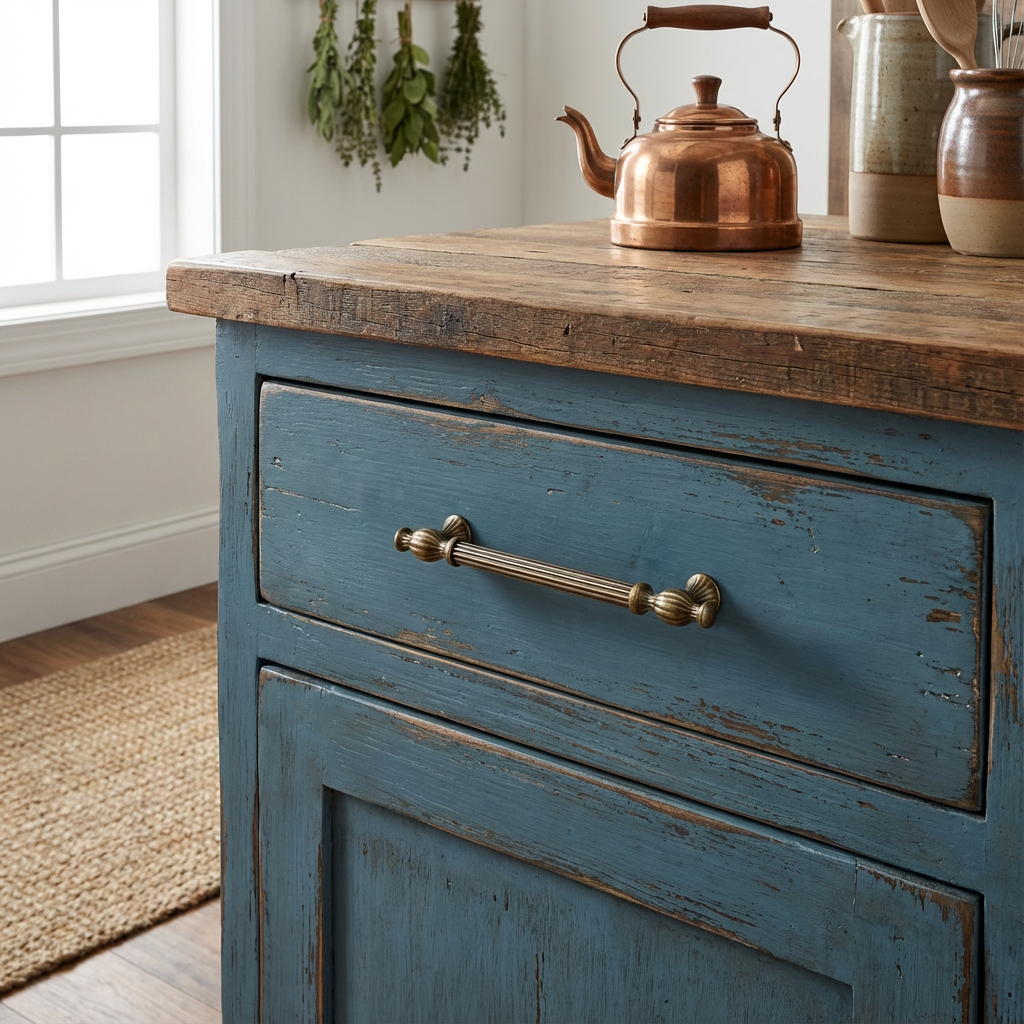
How to Install Kitchen Handles: Complete DIY Guide UK
Published: 10th February 2026 | Reading Time: 10 minutes | Category: Kitchen Hardware Guides Upgrading your kitchen doesn't always require a full renovation. Often, the most impactful changes ...
Read more: How to Install Kitchen Handles: Complete DIY Guide UK