

What To Look For When Purchasing Durable Cabinet Hardware
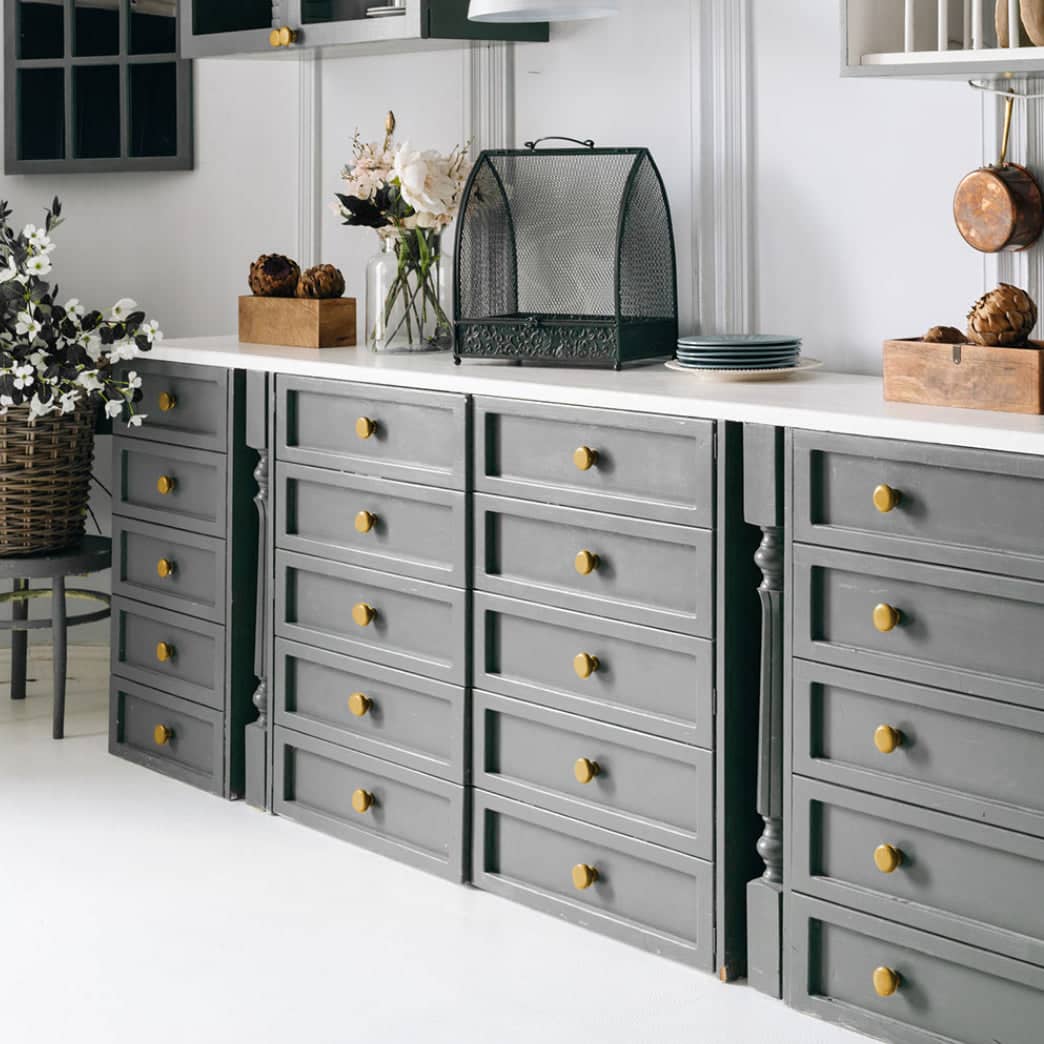
It’s easy to get occupied by the big items—like countertops and cabinets—when looking to spruce up your kitchen space. But your custom kitchen space can look empty if not paired with the right hardware. It’s the simple elements like brass drawer knobs and modern cabinet handles that set your home apart. So, now that we have matching hardware on our priority list, let's look at some quick pointers that will make shopping easier!
Type Of Hardware
The two most common options you will come across when shopping for hardware are knobs or pull handles. They’re both great options; thus the popularity. However, it’s important to gauge which one feels like the best option for you. Carry both in your hands and compare how they feel. You can position them around where you would install them in your home to understand which is more comfortable to use. While the design is important, you want to make sure that it doesn’t feel awkward to hold either.
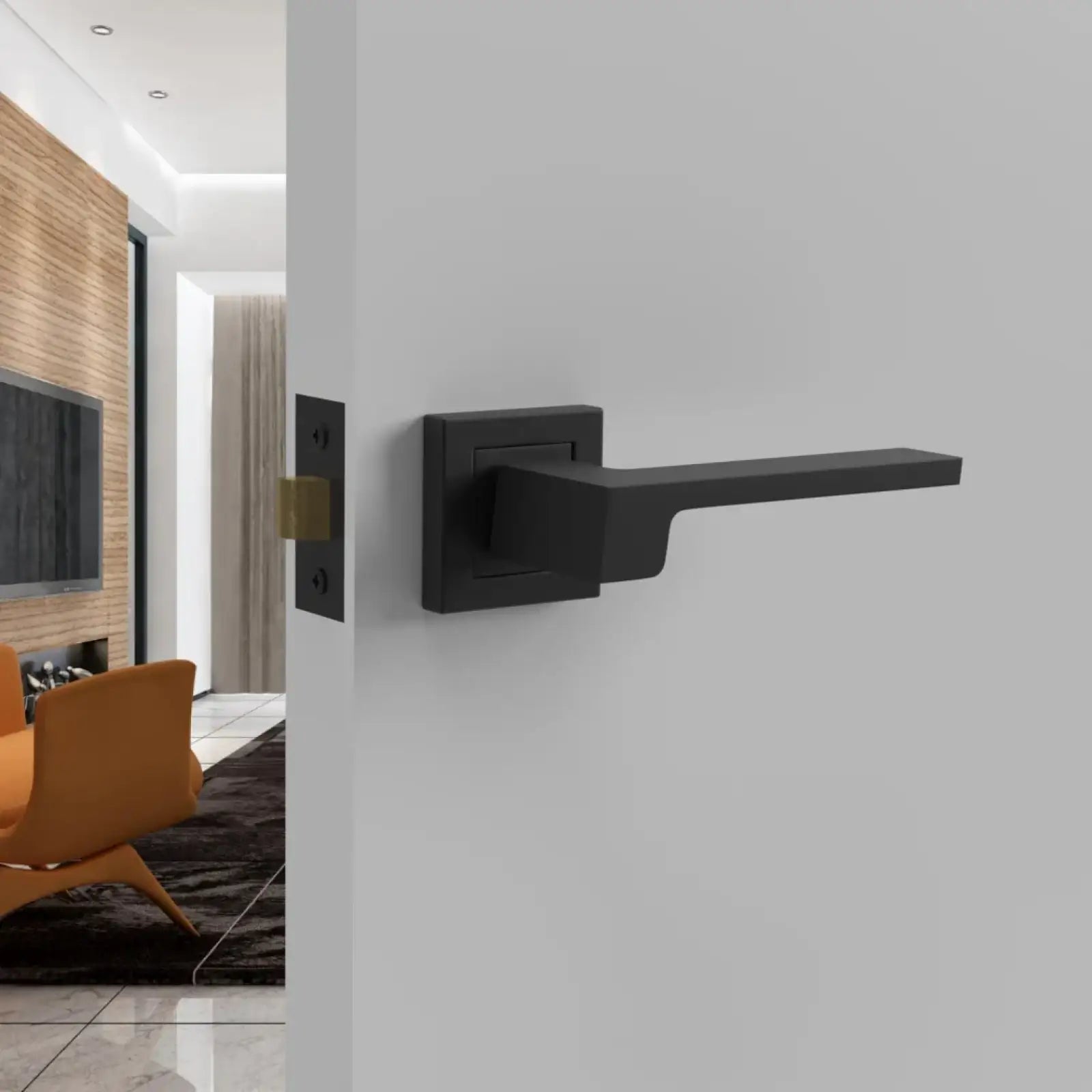
Knobs are generally easier to install as they require only a single screw hole. They are ideal for smaller drawers or upper cabinets where less force is required to open the door. Pull handles, such as our extensive range of cabinet handles, offer a more ergonomic grip, allowing you to use your whole hand rather than just your fingertips. This makes them the superior choice for heavy integrated appliances, such as dishwashers or large pantry pull-outs.
Positioning of Hardware
Choosing the perfect hardware for your home is not only about the way it fits in your hand, but also its visual appeal. No, we’re not talking about colour yet, but the position and size of your hardware. It’s important for both functionality and aesthetic that you choose the perfect size for your hardware. For example, if you have a large cabinet, you might want to get a longer handle or perhaps two knobs to make pulling the weight of the door easier. Additionally, owing to your home situation, you might want to place knobs and handles further up to keep them away from the reach of pets and toddlers!
Standard practice in UK kitchen design suggests placing knobs on the opposite side of the door hinges. For base cabinets, hardware is typically placed 50mm to 75mm from the top corner. For wall cabinets, they are placed 50mm to 75mm from the bottom corner. When using bow handles, centering them on drawer fronts provides a balanced, symmetrical look that is pleasing to the eye and structurally sound for the drawer runners.
Colour Of Hardware
Now to the more fun stuff! Colour choices can make or break your hardware décor aesthetic. You could have the most elegant cabinet knobs with intricate designs, but if the colour clashes, the hardware will stick out like a sore thumb! To make a successful colour selection, you must choose colours that contrast well. That way, you can use your hardware as statement pieces, or to add more depth to your décor. Plus, choosing more metallic colours will make your hardware look more expensive, and it would fit with both matte and glossy paints!
For those seeking a timeless look, brass handles are currently a leading trend in UK interior design. They provide a warm contrast to navy, forest green, or charcoal grey cabinetry. If you are designing a high-traffic culinary space, brass kitchen handles offer a sophisticated touch that hides fingerprints better than polished chrome or high-shine finishes.
Understanding Material Durability
When purchasing hardware, the base material is just as important as the finish. Most high-quality hardware is manufactured from solid brass, zinc alloy, or stainless steel. Solid brass is highly regarded for its natural antimicrobial properties and resistance to corrosion, making it ideal for the humid environment of a kitchen or bathroom. Zinc alloy is a versatile and cost-effective alternative that allows for intricate casting and high-detail designs.
The weight of the hardware is often a primary indicator of quality. Heavier handles generally signify a solid construction rather than a hollow shell. This is particularly important for cabinet handles brass enthusiasts, as the density of the metal ensures the threads will not strip over time, even with frequent daily use.
The Importance of "Centre-to-Centre" Measurements
If you are replacing existing hardware, the most critical technical detail is the "centre-to-centre" measurement. This is the distance between the centre of one screw hole to the centre of the other. In the UK, standard sizes often include 96mm, 128mm, 160mm, and 192mm. Measuring accurately ensures that you do not have to drill new holes in your cabinet doors, which can weaken the material and leave unsightly marks.
For new installations, the size of the handle should be proportional to the door or drawer. A common rule of thumb is the "Rule of Thirds": the handle should be approximately one-third of the total width of the drawer or one-third of the height of the cabinet door. This ensures the hardware does not look undersized or overwhelming.
Comprehensive Buying Guide for Cabinet Hardware
Selecting the right hardware requires a methodical approach. Follow these steps to ensure a professional finish:
- Assess the Environment: In kitchens, hardware is exposed to grease, steam, and heat. Opt for finishes like PVD (Physical Vapour Deposition) or lacquered brass which are designed to withstand these conditions without tarnishing.
- Count Your Units: Before ordering, create a spreadsheet of every door and drawer. Note which require vertical handles (cupboards) and which require horizontal handles (drawers). Always order 1-2 extra units to account for any future replacements.
- Check the Projection: "Projection" refers to how far the handle sticks out from the cabinet face. If you have a narrow galley kitchen, choose low-profile handles to prevent them from catching on clothing as you move through the space.
- Screw Length Matters: Standard UK cabinet doors are usually 18mm thick. Most hardware comes with 25mm M4 screws. However, if you have "shaker" style doors with a recessed centre, or extra-thick bespoke cabinetry, you may need longer or shorter screws.
- Sample First: If you are renovating an entire kitchen, purchase one knob and one handle in your preferred finish first. View them in your kitchen's specific lighting, as LED spotlights can make certain metals look different than they appear on a screen.
Common Mistakes to Avoid
Even seasoned DIY enthusiasts can make errors when selecting hardware. Avoid these common pitfalls:
- Mixing Too Many Finishes: While "mixing metals" is a valid design choice, it should be done intentionally. Limit yourself to two finishes per room (e.g., brass handles with a black tap) to maintain a cohesive look.
- Ignoring the "Hand Feel": Avoid handles with sharp underside edges. Since you will touch these items dozens of times a day, comfort is paramount.
- Incorrect Alignment: Using a template is essential. Even a 2mm deviation in height across a row of cabinets will be visible to the naked eye. Always use a dedicated drilling jig for consistency.
- Choosing Style Over Function: A very small, delicate knob may look beautiful, but if it is installed on a heavy, soft-close drawer, it will be difficult to operate. Ensure the hardware provides enough leverage for the weight of the unit.
- Neglecting Maintenance: Some "living finishes" (unlacquered brass) are designed to patina and change colour over time. If you want your hardware to stay shiny forever, ensure you are buying a "fixed" finish rather than a living one.
Frequently Asked Questions (FAQ)
1. Can I mix knobs and handles in the same kitchen?
Yes, this is a very common practice. Many homeowners use handles for lower cabinets and drawers (for better grip) and knobs for upper wall cabinets. To keep the look consistent, ensure both the knobs and handles share the same finish and design language.
2. What is the most durable finish for kitchen hardware?
Chrome and Brushed Stainless Steel are traditionally the most durable. However, modern high-quality brass kitchen handles with a protective lacquer or PVD coating are exceptionally hard-wearing and resistant to the oils found on human skin.
3. How do I clean my cabinet hardware without damaging it?
Avoid harsh chemical cleaners or abrasive pads. For most finishes, a soft cloth dampened with warm water and a drop of mild dish soap is sufficient. Dry the hardware immediately with a microfibre cloth to prevent water spots.
4. What screw size is standard for UK cabinet handles?
The vast majority of UK cabinet hardware uses M4 screws (4mm diameter). The length is typically 25mm for standard 18mm thick doors, allowing for a secure fit into the handle's threaded post.
5. Should I choose horizontal or vertical placement for handles?
Standard practice is to place handles horizontally on drawers and vertically on cupboard doors. However, in modern, minimalist kitchens, some designers choose to place all handles horizontally to create long, clean lines across the room.
Conclusion
Now that we have your creative juices flowing for your home remodelling, you can purchase all of your cabinet hardware essentials from Décor & Decor! Whether you are looking for the ergonomic curve of bow handles or the luxury aesthetic of cabinet handles brass, we provide premium kitchen knobs and handles online, which will last you for years on end!
Remember, hardware is the "jewellery" of your home. Taking the time to measure accurately, choose the right material, and consider the ergonomics of your space will result in a kitchen that is as functional as it is beautiful. Contact us today or visit our website to view our full collection and find the perfect finishing touch for your project.
Related Products
Free UK delivery and same day dispatch on all orders.
Read more

4 Tips for Remodelling Your Kitchen on a Budget
Discover budget-friendly kitchen remodeling tips including adding a focal point, upgrading drawer handles, installing stylish lighting, and revamping cupboard knobs to transform your space.
Read more: 4 Tips for Remodelling Your Kitchen on a Budget
3 Ways To Turn Your Kitchen Into A Winter Wonderland
Transform your kitchen space into a winter wonderland this Christmas with fairy lights, festive wreaths, and seasonal decor. Celebrate traditions indoors with joy and brightness!
Read more: 3 Ways To Turn Your Kitchen Into A Winter Wonderland